Your Content Is Your First Sales Call: Personal Branding That Sells with Darren Mass
EPISODE: 29
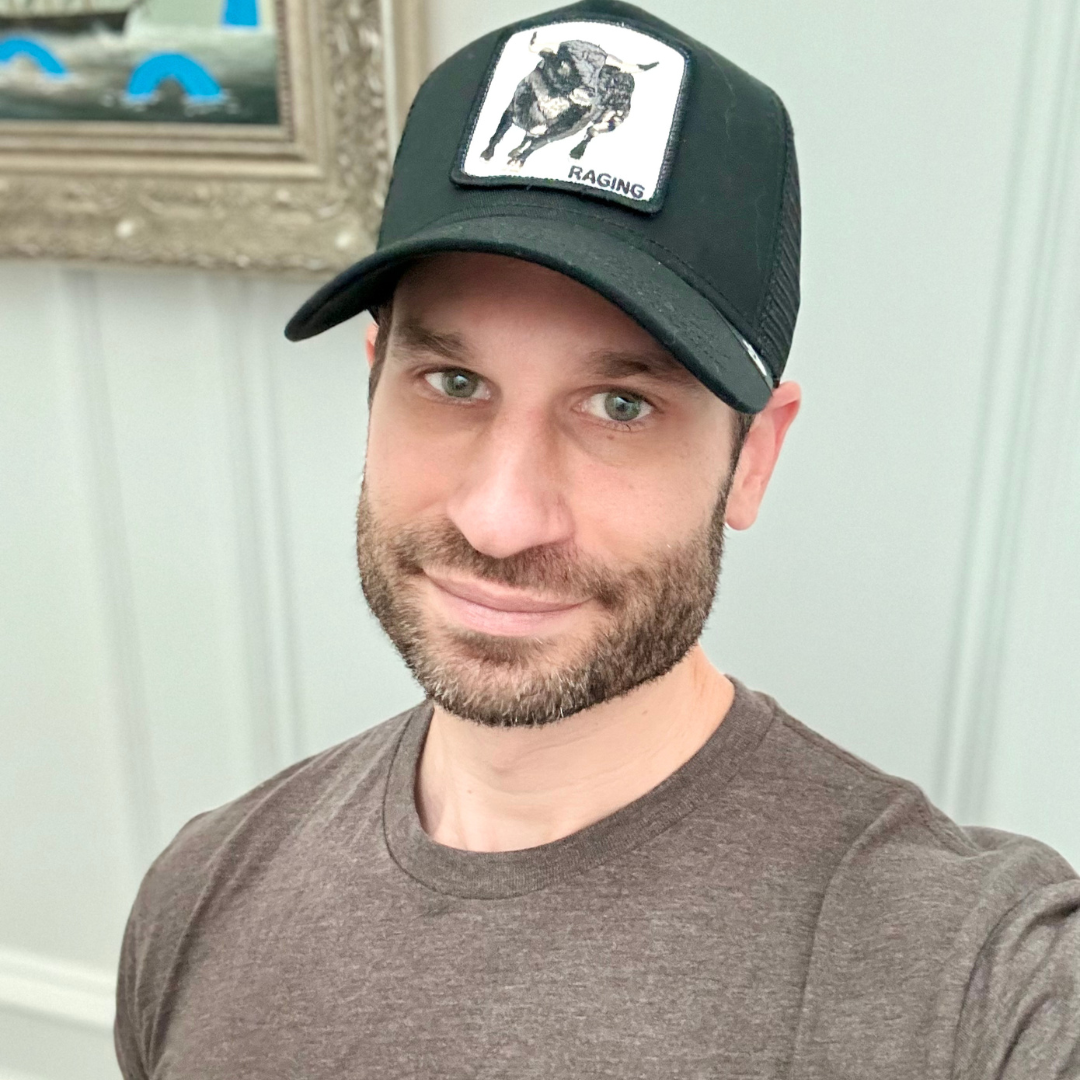
Your next client has already Googled you.
That’s the core message personal brand strategist Darren Mass drives home in this high-impact episode. We explore how your digital footprint shapes perception long before discovery calls, and why personal brand is the invisible hand that accelerates (or derails) sales.
If you’ve ever hesitated to post or wondered if your brand voice really matters—this is your episode.
Darren and I dive into:
Why “building in public” accelerates trust and shortens the sales cycle
The four content pillars every founder should define—and how to find yours
What most people get wrong about visibility and timing
The mindset shift required to write like you speak (and why that matters)
A real-world example of a founder who pivoted after a branding gut-check
Darren shares battle-tested insights from two decades in entrepreneurship and exits, plus practical tools you can start using today. You’ll walk away seeing content not as a chore—but as a conversation starter with your next best client.
LISTEN TO THE EPISODE HERE 👇🏻
-
Speaker: [00:00:00] I've learned this time and time again throughout my career is the biggest strength you can have is knowing how you come across to others paired with your weaknesses. If you know how you come across, then you can decide to either really lean into it if it's, if it's something you want to be known for or stand back.
Correct. And often at times, we have to tell people the truth. I know you think that you are this, but that's not how you come across.
Speaker 2: Welcome to Sales is Service. The podcast designed to help you change your mind about sales. Literally, I'm gonna help you change the way you think about selling. I'm Tam Smith, your host sales Bessie, and pitch partner next door.
You're tired of bros with biceps telling you how to crush a million dollars in your sleep or battling imposter syndrome on your own. You've come to the right place. All you need to do is listen, then take action. No gym membership required. Let's get started.
Hey there and welcome [00:01:00] back to Sales As Service. If you've been around this show for a while, you know, I spend just as much time talking about visibility and brand positioning as I do about actual sales conversations, and that's not an accident in today's sales environment. The client experience starts way before you ever speak to someone long before the proposal.
Before the pitch, even before that first dm, your digital presence is your first impression. That means your sales strategy can't just start with outreach. It has to start with how you show up online. I follow a three part framework. I call it VIP, validate, initiate, prospect, and it's the system I use with agency owners and service space founders who wanna move from reactive last minute sales to a process that runs both predictably and sustainably validate.
It's where we make sure your audience offer and messaging are sharp and aligned. Initiate is all about visibility, content and engagement that builds trust and positions you as a clear choice. Finally, prospect is the structured outreach that then [00:02:00] turns those conversations into clients. You need all three strategy.
Consistent visibility and smart outreach to stay busy and hit your revenue goals. And today's guest, Darren Mass, lives deep in that initiate stage. He's a personal brand strategist, co-founder of Brand Built, and a Post-It founder who spent the last 20 years building, scaling and selling companies. Now he helps successful entrepreneurs create personal brands that lead to stronger relationships.
In shorter sales cycles. This conversation isn't just about visibility, it's about trust. We talk about how discipline and consistency showing up with a clear point of view over time. Create the kind of digital presence that makes sales easier. Way before you ever say a word, because your brand isn't just about what you post, it's how people experience you in an an noisy market.
The fundamentals, relationships, trust, repetition, and consistency still win. Let's get into it. Thank you so much for being here.
Speaker: You are absolutely welcome, but to be honest, it's. My pleasure. I wanted to join this for a while.
Speaker 2: Well, I always start these conversations off with the same question. [00:03:00] In your words, tell us who do you help and how do you serve?
Speaker: I helped multiple people, startup and struggling entrepreneurs, coaches and founders. We have a community where we teach the best practices of personal branding business, LinkedIn, frankly, life of being an entrepreneur. We also help very successful entrepreneurs, ones that have either had successful exits. Or are in a, a larger growth cycle than, than the startup and we help them build a personal brand that stands out.
Speaker 2: What led you to the work of personal brand strategy? I mean, was there a moment where you realized that clarity around brand was the missing piece for business growth?
Speaker: Yeah, I've, so I've had many moments in my life that led me here.
I started my career as an engineer in telecommunications, then split off, started my own company and you know, throughout that journey. I remember all of our marketing people, the marketing team and our vendors saying, it's not about you Darren. It's about what you can do for your customers and no one [00:04:00] cares about you, blah, blah, blah.
And, and I think many people have heard that from marketing individuals, especially in the B2B business. So after I had an exit, I sold that company successfully. I, uh, transitioned to a Fortune 500 president and I dealt with those marketing people saying the same thing. It's not about me, it's not about me.
But you know, when I reflected back. The successful wins that one of our top salespeople had, or our team had, or that I was able to bring in or be part of, it was about me and us. It was about the personal relationship more than the lip service. So that got me to think after my exit, like COVID everybody.
I wandered the world figuring out what do I want to be when I grow up. And I started posting on LinkedIn and I started realizing. The more truthful and honest I was. I talked about my A DHD, how it was a distraction at times, but could be a superpower to many. I talked about how I [00:05:00] was depressed during COVID.
I even after the exit, I had a successful exit and I was depressed. I started sharing that and I, I saw the audience was paying attention and growing, and that's when it clicked with me. Personal branding is everything. When you Google your name, the first thing that comes up is number one, LinkedIn 'cause it's the strongest SEO tied to your name.
And number two, anything that you personally do. So when you're in front of a customer, a prospective customer, or an ICP, they're going to Google you. When you're in front of someone that you are interested in want to date, they're going to Google you. When you're in front of someone that you met at a networking group, they're gonna go home.
If there was interest. They won't remember what you said, but they're going to Google you. And all of that is personal branding. 100% of that is the antithesis of what the marketing gurus had told me in the past. And then when you draw back, who are the people we like follow? Who are those leaders that we love the most?
Whether it's a rockstar or it's a [00:06:00] famous entrepreneur, we know the entrepreneur more than we know their brand and the entrepreneur. Can destroy their brand with some wrong or right statements and that's where you start hearing it all the time. Personal branding is everything. That's what got me here.
Speaker 2: And honestly, that was what I found. Like you and I connected on LinkedIn and I've gotten so much value from the content you post. And I was thinking ahead of this conversation, like what was so, what's so compelling? I mean, ahead of knowing you, what was so compelling about, you know, your digital presence and the content you were posting is.
You have a point of view, like a strong point of view, and that's what kind of drew me in was here's someone that has like a unique individual perspective. Because I mean, there's a lot of people out there talking about, you know, branding, marketing, personal branding, but you have such a. Strong point of view about what makes, what makes it work and not work, and that that's what drew me in.I really appreciated. So
Speaker: thank you. Yeah, no, it's, [00:07:00] what it comes down to is we're so peppered with. Useless crap all day. We're scrolling and doom scrolling. We're on Instagram, we're on LinkedIn, we're on TikTok. We're filling our brains with useless garbage. We have created a DHD in everybody. And you know when you meet someone for the first time, they are looking for a reason to swipe left or swipe right, swipe up or swipe down.And if you don't connect with them, it used to be seven seconds. Now it's instantaneously they're gonna dismiss you. There have been times I'm guilty of it too. You just assume the person you're talking to has no value to you and is next conversation in one ear, out the other, and then you look back and you're like, oh shit, that person could have helped me. Yeah. Whoop. And then you try to claw back and get in their good graces. You know? It's happened to me too. I, I, a successful multi entrepreneur, lots of acquisitions under my belt. A couple of major sales and I'll talk to people and I can't help myself but coaching, [00:08:00] but you know, maybe I'm buying something at a, uh, at a small mom and pop store and I meet the owner and I'm like, oh, you know, it would be really cool if you had like a little add-on register sale here. And I can see they're like completely ignoring me and it's not an ego thing, but at the back of my mind, I think. Do you realize that I, I'm really good to help you here. Like I'm the person you should be taking advice from. I get it. It not everyone's willing to listen.
Speaker 2: Kind of to that point, what are some common mistakes you see professionals and founders make when they think they're building their brand, if you will?
Speaker: So there's a few of them. One saying that they'll do it later and pushing it off. The product's not ready yet, so I'm not going to advertise the, or I'm not gonna market myself, or I'll do it when. That's a mistake. You should be marketing yourself all day, every day and that that's it. There is no better time than right now. And if you don't have anything to say, figure out what to say, right? Just tell a story. Dictate into your computer. I use dictation all the [00:09:00] time. Throw your thoughts into A GPT and see what it spits out. Come up with conversation points and if there is a future, you're launching a new product or a website next month, start talking about you and IT and your life now, because you're building the audience now, right? You don't wanna launch a product and then start building an audience. It's going, you're gonna run an uphill battle. Right. You want to tell the audience you already have that, Hey, great news. Check out our new website, our new product. So start building that now and stop making excuses. Number two, being very consistent. It's like any gym routine. If you go to the gym after your New Year's resolutions, this is my year. I'm going to be awesome at the gym and I'm gonna go every day. And you start off on a Monday. Tuesday, oh, I'm sore. I've got doms, delayed onset muscle syndrome. I like the gym, right? I'm gonna skip today and I'm gonna skip leg day, right?
Then you're never ever going to build a consistency, and you're going to allow [00:10:00] excuses always. So pick a schedule. If you're going to use LinkedIn, you don't have to post Monday, Tuesday, Wednesday, Thursday, Friday, just post Monday, Wednesday, Friday. But do it every Monday, Wednesday, Friday, at the same exact time or around the same time.
Because you're building an audience. They might remember to check out your content or their feed will be accustomed to you, so you're gonna increase your surface area, increase your ability to capture, captivate that audience, and then you know, it's a delicate tie. Rope sharing too much versus not sharing enough, right?
If you are. A medical doctor, and you're talking about how you smoke cigarettes and you're always depressed, you're not really attracting very many people. But if you're that same medical doctor and you talked about how you have battled depression before, and here are the five things that you've learned to help increase dopamine, endorphins, and serotonin to get you out of depression. As a patient, different way of sharing. So be careful with how you share and make [00:11:00] sure it's always of educational purpose or value.
Speaker 2: It's like not sharing for sharing, but how do you tie that back to a solution? You provide, problem you solve.
Speaker: Yep. Yep. And then the last one is you have to have a strategy.
It's not post your daily thought. This is not Twitter. LinkedIn is not Twitter. LinkedIn, in fact, is not social media. It is to be used strategically. It is still a business networking platform. It will never be social media because it was never configured and coded for that, and it just can't make that leap no matter how hard they try, right? So it has to be for purpose every day, unlike any other platform, no matter how big your audience is, every day you start off at zero. LinkedIn sends out a couple, maybe up to 2% of your network can see your post within the hour. There's that golden hour, and if it doesn't hit a certain threshold, it doesn't go out. It doesn't go further. Unlike other platforms, if you have a million followers, every post you do is going to do well. [00:12:00] Lots of people are gonna see it. LinkedIn doesn't play that game because it wasn't coded that way, so you have to be strategic about it. Pick your at most four pillars or your four topics you stand for, right?
If you're trying to sell a widget, make sure one of that piece of content talks about how you did the widget, how you made the widget, how the widget is better than anything else. That's your sales post. Make sure you have a call to action in there, and then make sure that you are really focused on those four pillars. Who are you? Are you gonna educate people? Are you going to alert people? Or whatever your four pillars that you stand for. For me, it's personal branding. So I talk about branding. I bring out cases of awesome brands like Shaquille O'Neill. Yeah. He is a mega star in the basketball court. He didn't make his money from basketball.
I mean, yeah, he made a lot, but he made his money from, I think it's now 19 franchises that he invested in, or he is the spokesperson for, and he has turned his name into a mega brand, just like Michael Jordan. He didn't make a lot of, I mean, [00:13:00] comparatively, he made a lot of money for basketball. He made a billion from Nike.
Speaker 2: Personal brain, right? Yeah. How do you coach people through figuring out what their pillars are?
Speaker: Sometimes it's tough. Love what I find. So, so we have our community of, of the startup and struggling entrepreneurs, coaches and founders. It's, it's, it's in your head, but the successful entrepreneurs, the ones that are in, in growth companies, what I have found more often than not is people don't truly know how they come across.
I've learned this time and time again throughout my career is the biggest strength you can have is knowing how you come across to others paired with your weaknesses. Because if you can, I don't know if you can lift a hundred pounds over your head, great. You know, you can lift a hundred pounds, you could probably lift a hundred, one pounds, right?
But if you can't curl 20 pounds is a weakness. You can choose to start curling more or learning more, or doing more, or you can [00:14:00] choose to delegate. Some of those weaknesses away. But again, more importantly, if you don't know how you come across to other people, are you arrogant or do you have RBF? Can you fix that?
My wife is somewhere in the back laughing. Right. That, but if you, if you know how you come across, then you can decide to either really lean into it if it's, if it's something you want to be known for or stand back. Correct. And often at times, we have to tell people the truth. I know you think that you are this, but that's not how you come across.
You know, a better example, some people can't dress. For the life of them. They have zero style whatsoever, and I get it. That's a skill. You have to actually care about your style and you have to actually go through the painstaking process of trying things on, staring at photos, growing the ego for that, right?
Or you ask somebody, does the shirt look good on me? And you accept their feedback, right? So same [00:15:00] thing when we're helping someone build a personal brand. They'll say, I want to be known for, you know this and that's not you.
Speaker 2: Right, right. So
Speaker: we have to course correct and we do it delicately. And then, you know, sometimes there's some tough love in there too.
That's not you. You don't, when we interview, we interview as a team. Our entire team doesn't believe that's you, so why don't we try it this way?
Speaker 2: Yeah.
Speaker: Sometimes we get pushback, sometimes we don't.
Speaker 2: I'd love to hear if you've got like a ton of a success story of like that coaching that you know, someone that you know, that clarity led directly to a, you know, a new. Business direction or stronger positioning in the market.
Speaker: So can't say who our clients are because we do create content. The content does go on social medias, mainly LinkedIn or the some of the other ones. And therefore those clients wouldn't want people to know who does it for. But we had one person who was in the real estate industry, a very successful, I would say, in the billionaire category, or jarred close to it.
And that individual wanted to get into the longevity. Business health and [00:16:00] wellness.
Speaker 2: Yeah, that's a, that's a big, that's a dramatic pivot.
Speaker: It is, and it isn't. Okay. So I hang around a lot of post exited founders, people who have had the success of an exit, and it seems to be a common theme after a post exit. What I've noticed more often than not is you either go into some sort of venture capital fund because you need to do something with your wealth. Or, and you create your own fund despite the fact you have no experience whatsoever. Newsflash, fast forward, spoiler, most of them fail. Most of 'em just lose money. I did not go that route because I don't know anything about that, about raising venture and all that. It's, that wasn't my thing. Or they go into longevity because now they have wealth. The hustle of growing your business from bootstrap to sale, all that exhaustion and that the 18 hour days is over. So you start reflecting back and soul searching.
This is where the, the. Existential depression comes in after the exit. We all go through it. Your identity was your business. You sold your business. You no longer have your business, and now you reflect back and think, where did all that time go? [00:17:00] Right? You've got wealth, but that didn't check any box of happiness. It bought you stuff. It checked off some don'ts that you don't have to worry about, but did. It wasn't the Holy Grail finish line you thought it would be, right? So then you start thinking about. Life and how much time you wasted while building the baby that's no longer your baby. And that leads you to, oh, I'm gonna do a longevity thing. I'm going to get healthy. I'm going to eat healthy. I'm going to take healthy supplements. I'm going to preach being healthy. What I have found with the majority of them is they are the most unhealthy individuals. They still have bad habits, right? They'll make audacious claims. They can help you improve your sleep and whatnot, and they invest their money behind systems and good marketing.
This individual was one of them, and I had to have a very tough conversation how I don't buy it, I don't believe it, and then the individual pushed back with, I run a multi-billion dollar company. I know what I'm talking about. So that's an ego statement to me, and when I hear ego [00:18:00] statements. I hit, what I've learned is you cut an ego statement with an an ego statement.
So I said to this individual, we don't need you as a customer. And then he pushed back again and I said, my team is very successful and we're all wealthy just like you, so are we going to have a real conversation or not? Leveled the playing field. Finally got him to where he needed to be and I, I said, we'll call him Bob. I'm like, Bob, you're not the longevity guy. I want to prevent you from wasting your money and your time. I think you can talk about health and the lessons you learned. After putting 18 hour days into your in your life and how you missed your kids' dance recital or you missed your kids' band rehearsal, you can talk about that. You can educate people on how to be healthier or lead a healthier lifestyle, but you are not the poster child for this, which means any, any money you invest in, this is going to be a loss to you. Right? And there was a pause and we'll regroup and we regrouped. I, I had the, you know what, you're right. I think I will do this as a way to dedicate and educate people on health, but [00:19:00] I'm not going to turn it into a business.
Speaker 2: Need a better system for getting clients consistently. Grab my VIP Power Hour, a free daily rhythm designed to help you stay visible, nurture your network, and spark new conversations in just 60 minutes a day. It's not about cold pitching or chasing algorithms. It's about showing up with intention. Do it for 30 days and I promise you'll start to see more confidence, more conversations, and yes, more revenue. Download it free at Studio three 40 nine.com/freebies. Now back to the episode. What do you say to folks that are resistant? To putting themselves out there or that don't think they need a personal brand.
Speaker: It's a decision. The decision is what are you marketing, right? If you're doing a personal brand just to draw attention to yourself, and it's an ego thing, live with that, right? That's that's on you. But if you are running a business, building up sales, model, marketing, doing anything that's going to have a product tied to it. You have to remember that you are the conduit to the product. People buy from people that they know, like, and trust. [00:20:00] That's where you should really lean in onto building a personal brand, right?
But if it's truly just for, I want clout and attention, that's the wrong move because everyone's. Really, I, I mean, the most valuable resource today is attention, because attention can ultimately lead to success. Revenue, profits, money, right? We all want attention, but I can tell you the dopamine or the e dopamine rush of having a post do well that wears off after a while.
It's, it only lasts for so long and you know, there's only so many kudos you can get before you say, wait, I've invested a lot of time and I'm not making any money off of
Speaker 2: it. Yeah, yeah. We should think of a brand. You know, they're not static. So how do you talk to people about evolving their personal brand just as the business and life changes?
Speaker: It's an everyday thing. Again, it comes down to the consistency. I have met no one that knew exactly what they were doing right away. I didn't know what I was doing. My first post, what got me to start posting was the fact that I had that ego moment. My first viral, [00:21:00] or you can call it viral first Good Post was talking about A DHD.
How it, it was a challenge and eventually I turned it into something. A lot of people have a DHD. They aligned with that. That was a very honest post and that exposed me as just, you know, being a normal human being in a sense, like relatable. You. I didn't evolve into. Selling and teaching and educating on personal branding until, you know, the last two years when I realized, oh, I keep having the same conversation over and over again.
Why don't I start tailoring my content for that and why don't I start talking about that? So it just, it's a work in progress. And you know what I tell individuals who are afraid to post, just post, there's absolutely no risk in posting. If you say something that is dumb and it does well, then you get attention as long as it's not like.
You know you're gonna get canceled, right? You get attention. Great. It did well. Nobody will remember that post tomorrow, okay? They don't remem, no one's gonna remember [00:22:00] what you look like tomorrow. They're not even gonna remember what they're wearing or what they ate last night. We're so distracted, right?
If you post something dumb and it doesn't do well, well nobody sees it. So at the end of the day, it's just show up every single day and start. Start that consistency
Speaker 2: when talking about, you know, how I was gonna ask you, you know, how you help people develop their point of view, what I'm hearing and what, you know, I, I always advocate myself to people that I work with.
It's, it's the process of doing, and, you know, you, you posted about, you know, building in public and the value of that. Talk a little bit about that. I
Speaker: mean, that's exactly what we're doing. So for some reason, I, I feel like I just stumbled on this, or maybe I was too afraid to do things in silence, or maybe it's just my A DHD brain.
But when I was growing my company, I would. Tell everyone where, where we were, what our plans were, there was no secrets. There was no Eagle Master plan of taking over the world, right? I would tell our entire staff during weekly meetings, all right, here's the scoreboard. We would actually post it. Here's the scorecard, here's the scoreboard.[00:23:00]
Right? We had a great sales week. This is what our revenue was. This is great profit for the company. And then, yeah, I mean, as a CEO, it's kind of daunting to share your profit with your employees because you do. There will be a lot of people that say, well, can I get a raise now? That's where you educate.
You say, great, if we sold a widget at $200 and our profit was a hundred dollars, well lights, rent all of your salaries. Healthcare, right? That's not how business works. We all, we all think that way. I, I remember working for a company they had crossed over into a $500 million revenue business. I started with them when they were in the very, very low millions.
Speaker 2: Yeah.
Speaker: So that was an awesome, awesome ride to be part of that company. But I remember thinking, sitting at my desk, W2 employee thinking, wow, the CEO made $500 million. I mean, I was 23 years old. I didn't know anything about business. I'm not the only one that felt that way. That was our conversation at lunch. All of us like, holy shit, he made [00:24:00] $500 million and I made 28,000 this year. That's good for the brain. 'cause that's when I was like, wait a minute, I'm working my ass off. He's making $500 million. Right? So that, that's what got me to leave and start my own thing. But you have to educate. So it was in the future where that CEO, who had an awesome personality, weekly calls.
Got on the conference and he is like, listen, I understand now that we're half a billion dollars. He basically said, you all think that I'm making half a billion dollars? That's not how business works people. So I learned from him and that's, that's how I learned to educate. So anyway, so building in public, same thing with the personal brand.
You can pose that in your content. You can build your personal brand in front of others. You can build your business brand in front of others. There's no secrets. Your competitors will figure out your shit instantly. It's like when you don't have your prices on your website. Why? So you can talk to the customer and then try to sell them.
Let the customer see the prices. It's self-select. If they can't [00:25:00] afford you, they're not your customer share, right? So you build in public, you tell people what you're doing, right? I'm on a personal branding journey to help others build their personal brands. It's in my content, it's on my LinkedIn, it's my banner, right? I help successful people build unforgettable, I'm sorry, unfucking, unforgettable personal brands. I put it there. Tell people what you're doing
Speaker 2: and tie that directly to. Sales conversation, how having like an established or a a, a strong personal brand supports and enables, like having better sales conversations?
Speaker: Well, this is the part that I is so abundantly apparent to me throughout all of my career and throughout all my personal branding journey. People, this is fact, and it's said ad nauseum. People buy from people that they know, like, and trust. That is the best salesperson you ever met. They have one thing in common.
They are personable. Whether they're [00:26:00] on the annoying spectrum and over the top, or on the very, very likable or on the cool spectrum, like you wanna be with that guy, right? They're all personable and there's a gravity that pulls you into them and they build that relationship. They don't have to even know the product, but they know how to win another person over.
And that's the personal branding. You're educating people who you are. You have a moment, you every day to be in the spotlight of small spotlight, but you're grabbing that attention. And where it leaves that lasting impression is, again, we don't remember conversations. We remember how we felt. During those conversations, greatest impact is always in person.
Greatest detriment too could be in person, right? The next best is on Zoom. The next best is over the phone. The next best is email, which is cold, right? But if you have constant content out there, when you leave that room, when you leave that meeting, when you say goodbye at the [00:27:00] networking event. When you drop off your proposal and a week later you remind that client, that prospective client, to look at the proposal, they're going to Google you, and all of that content is now discoverable.
Now, as a CEO, as a leader, as a salesperson, even if you're posting doesn't do well, even if it doesn't take off to the moon, most of that content will be discovered by that ICP. And they will then be able to see you as a thought leader. You'll remind them of the conversations you had. You'll remind them of the feelings they had, and that will absolutely close the sales cycle window.
That will help your clients say, oh yeah, this person clearly knows what they're talking about. They're clearly an expert in their field. They see all this content that you're producing. That's why it's important to have a personal brand and to be sharing content.
Speaker 2: I feel like we have overcomplicated or there's the perception just in conversations I have that, you know, sales is this big, complicated thing and yes, absolutely it [00:28:00] can be, but if, if you peel back all the layers, you know, it's just making connections, starting conversations, building relationship to identify, you know, opportunity to serve and solve.
And when you have, you know, that strong. Personal brand out there. So much of that conversation happens before you have that, you know, in real life. And then so much of it happens, you know, the decision is made, you know, after you end the Zoom or after you end that meeting. And having that, that consistent presence, thoughtful presence does a lot of the work for you.
Speaker: It's does most of the work for you, right? It's like, you know. Back in the day, I was on one of those dating websites. I was in my twenties, right. I was living in New York City. It's a very lonely city, believe it or not. And I remember joining a dating site and we didn't have Zoom, right? We didn't have anything other than the telephone and, and text messages or the, the native messenger.
And sometimes, I hate to say it, we can all relate to this. Sometimes you would show up [00:29:00] and the person's. Picture, did it look like the person
Speaker 2: that I, yeah. I've had that experience.
Speaker: Right. And that we could all relate. That's Uhhuh. That was a gut punch. Right? That was like, whoa. I was jiving with you and you know, I, wow.
Okay. Awesome. Well, it was nice meeting you. Mm-hmm. Right. I don't wanna sound like a jerk here.
Speaker 2: Yeah.
Speaker: We could all relate
Speaker 2: to right.
Speaker: And then, you know now with Zoom, with FaceTime and all that, you can actually see the person ahead of time. Okay. That's the same thing as your content. People get to see you ahead of time.
So when you show up, if it's the same person that they had and you meet their expectation, it's like they've known you for a long time. Like the relationship just takes off. So, you know, back to when you first opened up, what are some key points that I have? Number five. I think I'm on number five would be.
Right, like you speak, right? We have a client heavy, thick Boston accent, right? You can't,
Speaker 2: I can hear it.
Speaker: Plaque in the cod in the garage, right? But when we type, we type so proper, we have spell [00:30:00] checks and grammar checks and all that, that the content that she had in the past was not her. When you get on a zoom, it's like, holy cow, this is not that.
So it's confusing. Right. Even if we don't put thought to it, there's that micro thought that synapse that basically says, this doesn't add up. I don't believe you. Right. So the content we are writing has. The accent in it has the dialect and it took a little bit of convincing back to, you know, you have to let people know how they come across.
It took a little bit of convincing her that that's the right move, right? We had some back and forth. You just have to trust on this us on this. We write great content, we know what we're doing, and her content started taking off. And when she got on Zooms, it's actually been a topic of hilarity. People are laughing like, yeah, you're, you're this.
Yeah, I, I get it right, but it's increased. Her chances, her, her ICP attraction, it's, it's [00:31:00] made her calls better because the second she gets on a zoom, it's like people have known her where they'll be like, yeah, you, I'm picking up your accent. Right? Versus that could be a turnoff if you get on and you know, let's say this individual was an attorney, right?
Writings super proper, and then all of a sudden you get on and you have somebody who's got this very heavy, thick accent and it's not. The accent that you're familiar with. There's a disconnect though in a way. Just write how you speak.
Speaker 2: That's hard to recover too. That's, it's really, once you have that disconnect, it's really hard to recover.
Speaker: Yeah. So I'm from Long Island and we've got. Thick accents. I, it took me a while to work that out. I, I went to school upstate New York in Rochester, and I got made fun of a few times for it. So coffee and talk
Speaker 2: uhhuh.
Speaker: So now I, I drink coffee, right? So I, I, I, I trained it outta me. Mm-hmm. But it took a little bit of nudging to realize that that's not the direction I wanted.
Again, knowing how you come across to others. So I changed that about myself. I don't suggest that this one individual with the thick ax accent changed it. I, I [00:32:00] said you need to lean in on that. But make sure your content leans in on that. Right. And it's been, it's been amazing for her.
Speaker 2: Yeah, that's, that's fantastic.
I was thinking about, it took me a minute as an, as an English major, you know, when I started writing, I guess, you know, sales copy, sales content to make that transition to, you know, write more like I. Speak versus, you know, needing to be, you know, an essay.
Speaker: Well, again, the, the best trick for that is use dictation.
I say Wana and Ghana. I'm from the East coast. I wanna do something Ghana, do something. I, I put that in my content. Literally Siri dictation will put that in. Right. My words. So I'll use it every once in a while. I confuse people. 'cause I say y'all, I say y'all all the time. I've worked for Texans. I've been to Texan many times. I like the term y'all. It makes sense, right? I don't say use guys. Right. Maybe ingest, but I say y'all every once in a while. Yeah. And that comes outta my content. Yeah. Yeah. 'cause if I get on a Zoom and I start [00:33:00] saying, y'all, you know, it's me.
Speaker 2: I, I'm gonna try that. I actually have not. Well, I, I used it in the short term.
I, not to get off on a tangent, but broke both my hands, mountain biking and was using it sounds worse than it actually was. I still had my, no, it sounds a
Speaker: lot worse than
Speaker 2: I still, even in the recovery, I still at least had use, had my feet because I could still tight, but it was certainly more, more comfortable and easier to use dictation.
But I'm, I'm assuming or imagining that probably saves a lot on your, you know. Makes it a more, more productive, like the process of writing and content creation even easier. Is le using dictation? Yes.
Speaker: Well, have you ever had a thought in your head? And it sounds so good. It's so story and, and and poetic and inspiring.
And then you sit down at the keyboard and you're like,
Speaker 2: mm-hmm.
Speaker: Open up your phone, hit the little microphone on the notepad, start talking, and that same thought process comes out is similar enough. Another trick I use is I use, I have a Mac, so the the little Apple command key, I double tap that. [00:34:00] I set that as a short shortcut, so I double tap that and it opens up my microphone.
Speaker 2: So I'm promptly doing that after this conversation. Thank you for the pro tip.
Speaker: Makes life easier. I have a lot of friends, most actually all my friends that think I'm crazy 'cause I will walk around and be like, you and I could be standing next to each other and be like, yeah, we definitely need to do that later. Right. So I looked like the crazy guy, but,
Speaker 2: but you never know when, I mean, my best ideas are always kind of those like epiphany, you know, moments where, you know, you don't know when that's gonna strike you. And like, I, I mean, I don't even wanna think about the number of ideas I probably lost because I was waiting to that.
I mean, even if I had my phone having to, I'm not gonna capture it in tight the same way I would if I spoke it.
Speaker: That's exactly, and when you do type it out, it's going to be more proper.
Speaker 2: Mm-hmm.
Speaker: Mm-hmm. None of us speak the way we email. Right. Nobody.
Speaker 2: Right?
Speaker: Right. Because if we did think how boring the world would be,
Speaker 2: uhhuh
Speaker: be so proper.
Ugh. Right. We're slang. Yeah. We throw slang around all the time. Right. Even in my content [00:35:00] now, I don't spell the word out because it, you will be throttled sometimes. Actually, I, I read somewhere that LinkedIn doesn't throttle curse words, but I don't want to have that on there, so I put my star. To me, the star is important.
Tattooed it on my hand. Right. It's, you know, everyone needs a meaning to a tattoo. Well, for me it was, I like the look of a ta, the tattoo, but it's me and my, my wife and my three kids. Right? So every time I look at that, yay. Reflecting back. So well,
Speaker 2: and I see that in your con and it. It. It is a visual cue for me too, like as far as like your personal brand.
I associate that with you and it's memorable. Like when I see that in your content, I remember it.
Speaker: The brand.
Speaker 2: Yeah.
Speaker: Right.
Speaker 2: Yeah.
Speaker: That, that's exactly why I started doing it. Mm-hmm. Is so you and anyone in my audience knows that I wrote this post, I end every post with that star. It originally was me just saying a big F you in a way, Uhhuh like, I don't care if this post does as well, I'm writing it for me.
That's when I was telling more of my truth journey. Like I, you know, I was depressed and this and that. [00:36:00] Just like doing this for me, hitting post. I treated it like a personal journal and I would sign off with that. Then it turned into more like, that's how you know it's me and now I use it as a way to cover the you if I write, you know, the F bomb or you know, right.
Every once in a while I'll throw that in. I don't curse often, but when I do, I use it for effect. Teach my kids that too. Right? You stub your toe. I would expect the s, you know, word or the S bomb to come out because. You know, scientifically it's been proven when you curse, you actually release a little bit of an, I think it's endorphins, which helps lessen the pain.
There. There was a study on this. There really was. Right. So
Speaker 2: I, I, I feel just, I feel validated now. Justified now I'm not to teach to use it.
Speaker: Yeah, it's there. Actually, there was a study, you can probably Google it, but I remember coming across a study and they studied a whole bunch of people. It was this actual scientific study that when you.
Injure yourself and you drop a curse or [00:37:00] scream out the F word, it actually helps the pain subside a little bit.
Speaker 2: Love it. Yeah. I really do. I that visual cue, I mean, I've, I've s. I associate that and it may, even when I'm not on LinkedIn, I mean I still like associate that it's, it's a very memorable use of that.
Let's jump into our Fast five. Your, I can't live without its software or app.
Speaker: Uh, I can't live without its software app ways.
Speaker 2: Mm, mm-hmm.
Speaker: Yeah. Someone had brought that up many years ago. I was in coaching program called Vistage. Mm-hmm. And they were talking about ways, and this must have been in. 2006, 2007 or so, and ever since then I've been using it so much.
Speaker 2: Best advice you've ever received about sales and business development?
Speaker: Just be yourself. Yeah. It ties into everything I do. Right? They're either gonna buy from you or they're not. Again, no. Like and trust if your personality is real. The dots all connect, everything lines up. They either like you, hate you.
Speaker 2: Yeah. Morning routine. Must have
Speaker: coffee.
Speaker 2: Coffee, yes.
Speaker: Coffee, [00:38:00] black, dark. I, yeah. I cannot, I've gone without it, but I just, the routine and I love it.
Speaker 2: Yeah. I, I say I like, I want it to salute me in the cup. I want it that strong
Speaker: Oh, Texan of you.
Speaker 2: Yes. Uh, your walk, your walk-on song, one song that always pumps you up,
Speaker: you're gonna go far.
Kid Offspring, the Offspring. That was when I started my business. I had $0 eating literally a single hot pocket every single night. I couldn't afford the bus fair, so I had to walk a mile and a half, almost two miles to the train station. I would listen to that and for some reason, that just gave me all, all the ammunition I needed to get through the day.
Speaker 2: It worked for you.
Speaker: It did. In fact, uh, we went to an Offspring concert the other day, my wife and I, and I, that was the song on my MySpace. My wife knows me as that song 'cause she would go on and listen to it. So I thought that was really sweet.
Speaker 2: And if you only had one hour each day for business growth, how would you spend it?
Speaker: I would spend it inside my community. We have 200 [00:39:00] entrepreneurs in there and just, uh, you know, my best advice for any new entrepreneur is, is join networking groups and communities. Surround yourself with people who have been there, done that, and are creating or creating, because that energy. You're gonna feed off of it.
It is absolutely true. You surround yourself by successful people or failed people, and you become one of them, right? If you're around people who are always, woe is me and miserable, you are part of that circle, like it or not, and that's the reality check you need. Sometimes you have to fire your friends if they're bringing you down.
If you surround yourself with successful minded thought leaders, people that will boost you up and inspire you, it's no secret. Why there's an inner circle and why some people do better than others.
Speaker 2: Well, talking about your community, where can people find and connect with you online?
Speaker: Yeah, you can find me on LinkedIn.
Mm-hmm. Darren Mass. You can Google me because that's the most powerful business card you can ever have when you become discoverable on Google because you've invested [00:40:00] time in your personal brand. So you can Google me or you can go to my brand built.com, and that's our community.
Speaker 2: Awesome. Thanks so much for being here, Darren.
It's been great talking with you.
Speaker: Yeah, this was awesome.
Speaker 2: Such a great conversation with Darren, and I hope it sparked something for you and how you think about your own digital presence, because as we talked about, personal branding isn't fluff. It's the front door to your whole sales process, and when it's intentional, consistent, and aligned with how you actually serve, it has a lot of the heavy lifting for you.
So here's your sales as service challenge. This week. Take a look at your current online presence through the eyes of a prospect. Go ahead and Google yourself and see what comes up. Review your LinkedIn profile, read your last three social media posts, and then ask yourself, does this sound like me? Is my point of view clear and would I wanna take a meeting with me?
If the answer is no or even not quite, it's definitely time for a tuneup. Update that headline. Share a quick point of view post, or just clean up that profile section that hasn't been touched since 2020. And if you're ready to go further. I've got two spots open this month for the VIP Legion Pipeline Build.
We'll build out your first [00:41:00] winning warm outreach campaign for you with tailored messaging, a targeted lead list, and a clear outreach plan so you can start booking three to five sales qualified meetings per week. This is perfect for founders who want predictable pipeline, consistent action and expert guidance.
To move faster, just shoot me a message or head over to studio three 40 nine.com to grab your spot. As always, thanks for being here, and I'll see you right back here next week.
Speaker: You've just listened to the Sales Is Service Podcast, the podcast to help you shift your mindset
Speaker 2: around selling. If you liked what you heard, be sure to hit subscribe and share it with a friend because we're all about more sales. Awesome and less sales awkward. See you next episode.
MORE OF A READER? 👇🏻
You’re already being judged—before you ever send a pitch.
Not because people are mean. Because that’s how modern buyers behave.
Before a potential client agrees to a call, signs a proposal, or replies to your DM… they Google you. They check your LinkedIn. They scroll your last three posts.
Which means your digital presence is your first impression. And that’s why personal branding isn’t fluff—it’s sales infrastructure.
That’s exactly what I unpacked with Darren Mass in this week’s episode of Sales as Service. Darren’s a personal brand strategist who’s helped everyone from first-time founders to billion-dollar entrepreneurs clarify their voice and turn content into conversions.
Here are some of the big truths we covered:
1. Your content should sound like you. It’s jarring when someone reads a polished, buttoned-up LinkedIn post, then meets you on Zoom and you sound nothing like that. Darren encourages founders to use dictation or voice notes to draft content, so their real tone comes through. It’s not about perfect grammar—it’s about consistency and connection.
2. People buy from people they feel like they know. And your content is how they get to know you. That’s why Darren encourages consistency over perfection. A few posts that truly reflect your voice will do more for your sales than a polished website no one reads.
3. You need content pillars. LinkedIn isn’t Twitter. Random thoughts don’t convert. Pick 3–4 core topics you stand for, and rotate between them. For Darren, that’s personal branding, founder truth-telling, content strategy, and sales. What are yours?
4. Branding evolves—and so should your content. As your life and business change, your personal brand should too. Darren shared how post-exit founders often pivot to longevity or wellness… not always successfully. The key is to be honest about where you are and what you really stand for now.
5. Building in public builds momentum. Share your journey. Your process. Even your uncertainties. This transparency builds trust and authority—and often becomes the reason someone reaches out.
At the end of the day, your personal brand isn’t about vanity. It’s about creating a trail of trust. When someone Googles you, let them find someone they want to talk to.
Because as Darren said, “People don’t remember what you said—they remember how they felt.” Make sure your digital presence makes them feel ready to work with you.
✦ YOUR SALES AS SERVICE CHALLENGE
Review your own digital presence.
Google yourself. Look at your LinkedIn profile and read your last three posts. Ask yourself:
Does this sound like me?
Is my point of view clear?
Would I want to take a meeting with me?
If the answer isn’t a strong yes, pick one small action:
✅ Update your headline
✅ Share one POV post
✅ Clean up your profile summary
RESOURCES & LINKS
Connect with Darren on LinkedIn.
Join the Sales as Service LIVE Office Hours – get your invite for the next session
Simply sales with the VIP Power Hour - download the FREE guide.
Book your free strategy call and learn how to consistently book 3–5 sales-qualified meetings each week
SUBSCRIBE & REVIEW
If you loved this episode, please take a moment to subscribe and leave a review on Apple Podcasts! Your support helps us reach more creative agencies and service pros who need these insights. Thanks for tuning in to Sales as Service—see you next week!

TAM SMITH
I’m Tam Smith-Sales Growth Strategist and Founder of Studio Three 49. I help creative agency owners and service pros find, connect with, and convert right-fit clients through scalable, sustainable outbound sales solutions.
No pushy pitches. No bro-marketing. Just simple, structured systems that turn connections into clients.