Big Lessons for Small Businesses: How Founders Can Apply Enterprise Discipline with Gary Fredericks
EPISODE: 30
You’ve built the thing. The offer works. Clients are saying yes. But behind the scenes, the business feels heavier than it should.
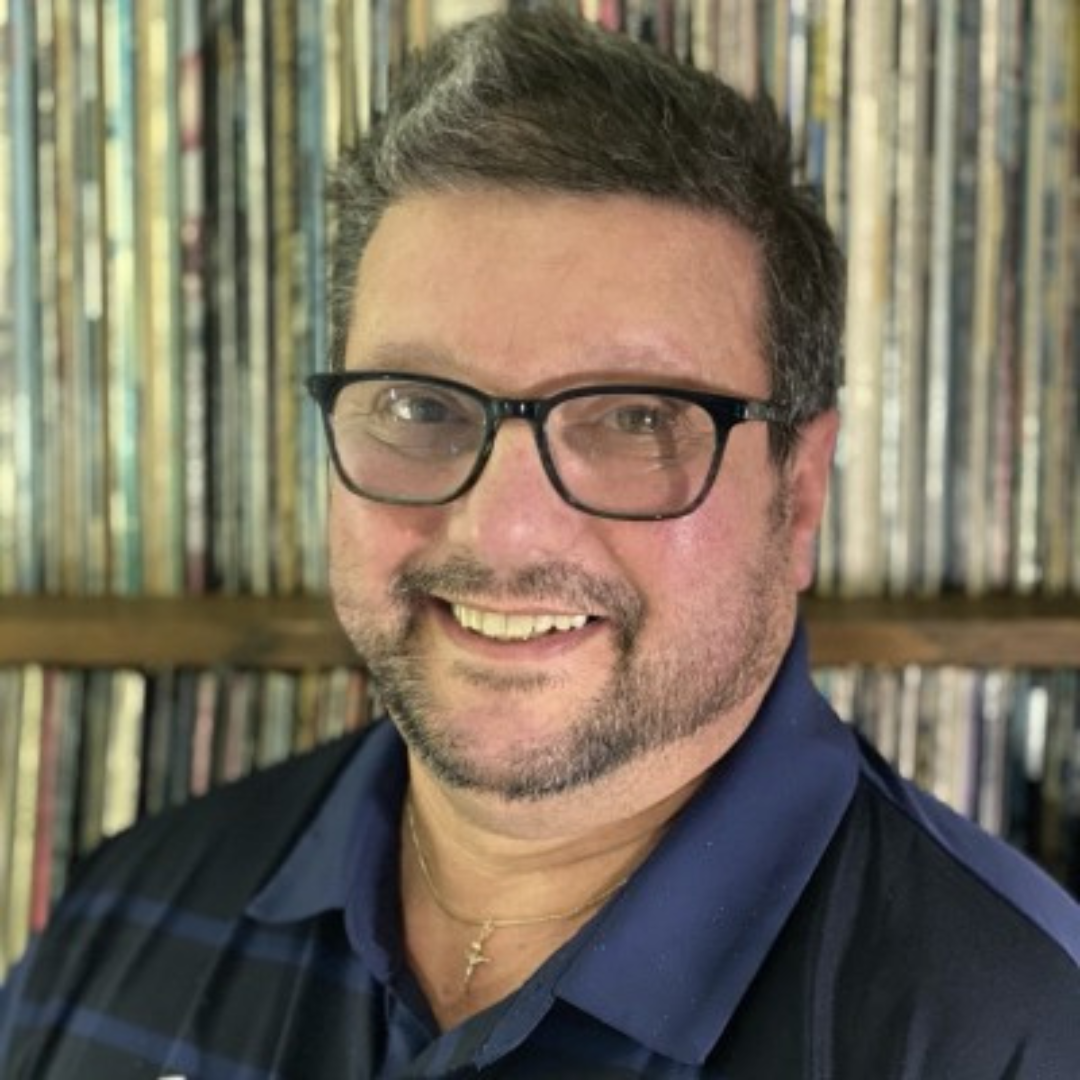
In this episode of Sales as Service, I’m joined by Gary Fredericks, CEO and Co-Founder of OnPoint Partners, to talk about what happens after early traction—when internal structure becomes just as important as external sales and marketing.
We explore how founders and service-based business owners can borrow the right lessons from bigger businesses—things like clarity, ownership, and disciplined processes—without adding unnecessary complexity or losing flexibility. Because when roles are blurry and everything still runs through you, your clients feel it. Your team feels it. And growth quietly slows.
In this conversation, we cover:
Why growth plateaus are often internal—not sales problems
How unclear roles and processes show up in the client experience
What “enterprise discipline” really means for small businesses
Why founders become the bottleneck without realizing it
How simple structure creates more time for revenue-generating work
LISTEN TO THE EPISODE HERE 👇🏻
-
Speaker: [00:00:00] I used to employ what I called management by walking around. I'd go to different buildings and I'd just walk around and I'd see a chair. I'd plop down in it and say, how you doing? How's the family? And to me that was like, you know, stupid. You know, it's like, okay, I'm probably bothering this guy. But to them it was like my, the boss, the big boss, came and sat down in my chair and asked me how I was doing, and asked me how my family was doing.
Years later, they would come to me and say, you don't have any idea what. That meant to me that you did that.
Speaker 2: Welcome to Sales Is Service, a podcast designed to help you change your mind about sales. Literally, I'm gonna help you change the way you think about selling. I'm Tam Smith, your host sales bestie and pitch partner next door.
You're tired of bros with biceps telling you how to crush a million dollars in your sleep or battling imposter syndrome on your own. You've come to the right place. All you need to do is listen, then take action. No gym membership required. Let's get started.[00:01:00]
Hey there and welcome back to Sales As Service. Today we're talking about the place most founders get stuck. You've built the thing. Clients are saying, yes, the work is there, but behind the scenes roles are blurry. Systems are duct taped together. And everything still runs through you. You've hit a growth plateau, not because you're bad at sales, but because the inside of your business hasn't caught up to the outside, and your clients can feel that.
Your team can feel that. And whether you realize it or not, your internal structure is either supporting your growth or it's quietly sabotaging it. Today's conversation is about borrowing big lessons from bigger businesses, specifically how founders can apply enterprise level discipline to scale with clarity instead of chaos.
My guest is Gary Fredericks, CEO, and co-founder of OnPoint Partners. He spent decades helping founders and leaders build the internal systems, processes, and team structures that allow a business to grow without everything breaking. What I appreciate most about Gary's [00:02:00] approach is that it's not about adding layers, it's about clarity.
Clear roles, clear processes, clear ownership. In this conversation, we're unpacking what enterprise discipline really means at a small business level. While your internal operations are part of your sales and client experience, and how founders can move from holding everything together to leading a business that actually supports growth.
So whether you're a solo founder, running a small team, or navigating that messy middle, this episode is about clarity, structure, and building a business that supports you not the other way around. Let's get into it. Hey Gary. Thanks so much for being here today.
Speaker: My pleasure.
Speaker 2: I always like to start these conversations off with the same question and just have you tell us in your words, who do you help and how do you serve?
Speaker: Well, we've been in business 17 years and our, our mission was to help small business owners who got into business 'cause they had a great idea or great product, a better mouse trap. And we get feedback from 'em all the time saying, you know, I never knew I was gonna have to run a business. I don't know how to run a business.
And they feel overwhelmed [00:03:00] with all of that. So we come in and, and try to help them. Keep the gears of their business rolling while they focus on growth and, you know, moving their products or services forward.
Speaker 2: Yeah. And to that point, you know, you, your experience, you've worked with a lot of larger organizations and investors.
What disciplines from that world do you feel like translate best to small business owners?
Speaker: Automation. I did a lot of systems integrations at JP Morgan, and I was the guy they sent into business lines that were not doing well. Needed. Needed to improve their margins. And the first thing that I would look for is what can we do more efficiently and how can we do it more efficiently?
And usually that meant bringing in some kind of software, but integrating the software into the unit and not just bringing in software and saying, okay, there it is. You know, you gotta, gotta redesign your processes, procedures and, and kind of get everything supporting the software that you're bringing in.
And then you start to have much more efficient. Workflows and, and much more [00:04:00] productivity.
Speaker 2: Can you like kinda walk through like a practical example of, you know, when you came in and did that?
Speaker: Sure. We had a client that when I walked into his office, there was a rack of computers and I asked him, I said, what are, what are these?
He said, well, this, this is my server and you know, this is all the stuff that. Tech company put in here that goes with my server. And I said, uh, he, he was a one person shop, so I said, why do you need a server? And he said he bought the business from his, his partner. It used to be two people. His partner sold out 'cause he wanted to do something different.
He bought the business and they had a server there then. And. You know, he's not, he wasn't a tech guy, so he just wanted to keep it. He was also doing his finances on Green Ledger paper. Took me a little bit of time to kind of get him to embrace technology and, and away from things. And I did it by kind of doing his finances on Green ledger paper for, and then doing it in QuickBooks and then.[00:05:00]
We could show him how we could hook up to, uh, the property managers he was working with and, and QuickBooks and everything and how, how integrated it would all be. And then I took some of his files off the server and I put them into Dropbox and I said, Hey, look, now you, your files are in Dropbox. You don't need the server.
You don't need to be paying $2,300 a month for. Technology that you don't need at all.
Speaker 2: Right. Is it like a, so essentially a solo professional?
Speaker: Yeah. Yeah. And so we revolutionized his office. He was also, he was using Windows seven. This was in the Windows 11 age. So we got him upgrade. We got 'em. On Windows 11, he's got dual monitors in his office.
He got dual monitors at home now. He loves it. He says, I should have done this years ago. And I said, yeah, you know, you probably should have. But, and we, we find that stuff like that happens with most of the clients that we work with.
Speaker 2: Yeah. It just, they've, they've never, you know, made any kind of like a, I guess, an audit of their systems and operations and, and [00:06:00] either upgraded or eliminated.
Speaker: Yeah. And they don't, they don't know they should. Audit.
Speaker 2: Right.
Speaker: You know, they, they're taking the path of least resistance basically.
Speaker 2: Should we be as business owners, you know, kind of taking a, some sort of like regular audit of our, you know, systems and process and like, what is the frequency for that that you recommend?
Speaker: We are constantly looking at process and procedures every time we do something. I mean, things change and, and when I started working in the business world in the early eighties, everything was paper. And, and before the eighties ended. Everything was becoming digital. And so I went through an age where we had to kind of pivot and, and, and roll with the punches and, and figure things out as we went.
And it's, it's the same now, but it's, it's, it's like there's ai, there's all these other things now that are spearing a lot of people, you know, it's just, you gotta keep looking at everything. I mean, everything you do. Every day. You know, [00:07:00] it doesn't require hours of time. Just a couple minutes. I'm looking at the process to see, you know, are, are we doing it as, as effectively as possible?
Are people pulling their hair out 'cause they can't get things done because, you know, there's, there's problems along the way. Somebody's, somebody's late giving them information. So we do a lot of value chain auditing. Two, because sometimes we can't get something done 'cause our client's not giving us the information we need.
So we kind of go through the value chain with them and say, look, we're, we're, we're gonna recommend a different process so you can get a, it's easier for you to get the information and then to give us the information and we can get it done on a time and a timely manner. So, you know, so if you decide you want to go out and borrow money or.
Or, you know, do do something like, you know, make a purchase of another company or something that your books are all done and, and ready to roll immediately.
Speaker 2: And you, you're talking about, you know, systems and process is, you know, a big opportunity for [00:08:00] more, most organizations. And I try, you know, myself and my own.
Company, you know, anything that I put my hands on, it's like, do, should I do this, delegate it, automate it, or can I just delete it entirely? When you are talking to founders and business owners and trying to help them grow, how do you help them recognize, you know, is it a, you know, where, where the, where the problem is?
You know, is it a sales problem? Is it a leadership problem? You know, is it a, you know, systems process problem or something else? Like kind of what is, how do you identify, you know, what the opportunity is?
Speaker: Well, we go, we go through their organization and you know, we, we will document things, put things down on paper.
We, we record their, what their, what the people are telling us their process flows are with their data flow.
Speaker 2: Internal interview.
Speaker: Yeah, yeah, yeah. And then at the end we go. To the management and we say, here's what your people are telling us they're doing, and this is how they're doing it. And we see some areas where we might be able to, uh, streamline this and, and make [00:09:00] it easier for them to get, get the work done and make it quicker and, and make it correct more often.
So it, it's all about documenting things. Small business owners, like even like me, I know. I like to have somebody come and talk to me and say, this is what you told me, or this is what your people told me.
Speaker 2: Mm-hmm. You
Speaker: know, in our interview, it's not something where I'm just coming in and say, oh, you need to do this, or you need to do that.
That, that's ineffective. That doesn't work.
Speaker 2: Yeah. I mean, even my own business, like I have a business coach, you know, it's hard to do that for yourself. So having some sort of. Partner that can have an objective view of your business to help you identify those blind spots.
Speaker: Exactly.
Speaker 2: What is one people related practice from an enterprise level business that small teams could steal to implement in their own business
Speaker: training?
Speaker 2: Mm-hmm.
Speaker: And the thing, one of the things that I am big on is showing my team their path forward. What does it look like? You know, where can you go in our company, in [00:10:00] our job, in your job? And how can we help you get there? Those are the things that I, I used to do that when I worked on Wall Street. I had, I had the lowest turnover of any manager in, in my company, and the, the upper management couldn't figure out why, why it was happening.
And it's because, you know, I, I treated everyone that, you know, like they were part of the organization and I didn't. Create a strategic plan and then just say, everybody, okay, everybody, here it is. This is what we're gonna do. I talk to everybody. You know the people at the lowest level that are doing the grunt work.
You gotta talk to them. You gotta understand it, gotta understand them. You gotta understand what their challenges are. People have challenges in life and challenges in the workplace and, and it all affects how they do their job. And it all affects how I can help them do their job and, and put them in a position to succeed.
So those are the things I think, you know, that doesn't matter what kind of a company you're working [00:11:00] in, it's important empathy. You know, small businesses, the more empathy you can have and understanding you can have. Everybody's got a life and a job, right? So managing the two of them is not always easy.
You know, I'm older now, so my kids are grown, but we have people working for us that, you know, they have young kids and things come up. You know, I want a school call. My my son is sick. I have to go pick him up. Okay. You know, go pick him up. It's family's important, you know, we're not gonna ding you for that, or, you know, dock your pay or anything like that.
We know, we know you'll be productive. We focus on the productivity and not the hours. What hours of the day you're working. So, you know, that's, that's huge. I mean, the other thing is with all this working from home stuff now, I do think that business owners and, and business managers need to make sure people are, when they're working from home, that your data is protected.[00:12:00]
Make sure that you understand what they're working. If they're working from the family computer and the rec room of the house, and the kids are doing their homework on there and everything else, gotta make sure that. Your data's protected that there's, that there's software on the computer that you know for, for any virus and cybersecurity, and that you can block some of the applications from being used by anybody else in, in the, in the house.
It's just, you know, it's just common sense really.
Speaker 2: Do you, in your own company, what standards do you have in place around that? That's really honestly something I hadn't thought of intentionally about making sure when you're in the environment that we're in now that there is so much, you know, hybrid work or you know, working remotely.
What kind of standards do you have in place in your own business that you'd recommend?
Speaker: We, we give our employees laptops. That we have, that we have configured and locked down. So we use Norton Antivirus and Norton Cyber Cy Cybersecurity and, and we locked down the computers that are being used outside the [00:13:00] office, including our own.
I'm talking to you today on a laptop that is locked down. I can't really do much else but work stuff on it. Some people are gonna say, well, I don't know how to lock down a computer. It isn't. It really isn't hard. You know, it's something you could. You could watch a, a YouTube video in 10 minutes and, and figure out how to do it, or you can call somebody for help
Speaker 2: for, you know, agency.
Small teams that, you know, are working with a lot of, you know, contract talent. They're not, you know, issuing the hardware. What do you recommend there as far as, uh, standards of expectation to put in place for your, your contract talent?
Speaker: Well, I recommend that they, in the contract, make sure that they have to have certain, you know, virus software.
They have to do a virus check every day. Drug scans certain amount, certain number of times a week. And just, just kind of keep up with it.
Speaker 2: It's important for everybody, but I would expect to like, you know, particularly professional services, you know, that are dealing with, you know, highly sensitive information, you know, whether that's, you know, [00:14:00] legal, financial,
Speaker: and, you know, we're, we're using a lot of SaaS software, so it's, it's got its own protections built in, but you know, it's, it's the computer itself.
I mean, hackers have found ways to get into computers. They can get into my computer, then maybe they can sneak into to QuickBooks and even my client's, you know, data on their financials, figure out how to, how to do something nefarious.
Speaker 2: I wanted to kind of go back to, you know, the, the team development and the benchmarks for, you know, whether you're a solo professional or small team.
Like, is there, what's kind of the indicator that it's time to maybe consider, like that first payroll employee team member? Like, is, is there a, a signal that says, Hey, you know, it's kind of to move from contract to payroll?
Speaker: Yeah. I think it kind of, it, it's kind of custom to the business.
Speaker 2: Yeah.
Speaker: For us, you know, we, we were paying people via.
10, you know, it's 10 99 employees.
Speaker 2: Mm-hmm.
Speaker: And then we got [00:15:00] enough business where we knew we could hire two people full-time, put 'em on a payroll. So now they're. Now they're, you know, there are ours. I don't wanna sound, sounds horrible, but now they, they work for us full-time. So if they're not a contractor that has five other clients.
So as, as your business grows and as you start to see you, you're getting more and more business and, and you're, you're. Contractors are working more and more hours for you. You might want to just at that point decide, you know, all right, I got, I got three contractors and they're working 65 hours combined.
So 65 hours is one point about 1.2, 1.5 FTEs, full-time equivalents, right? So. Then you say, well, well, would it make more sense for me to hire one of them as a, as an employee, and. Pay them and then, you know, give them benefits and [00:16:00] then they'll be, you know, payroll taxes and things like that. So whatever salary you're gonna pay them, it's probably going to be about 15 to 20 something percent over top of that.
It wanna be your expense and you just have to kind of look at your numbers and say, does this make sense?
Speaker 2: Yeah. There's a point where it just becomes more cost effective.
Speaker: Oh yeah, definitely. So
Speaker 2: you bring on Yeah,
Speaker: and you know, people are different when this is my company than it is when I'm, I'm, I'm a.
Hired hand, you know, I'm a contractor, so you tend to get more productivity out of, you know, employees because you have the opportunity then to offer them, you know. Time off, you know, things that, to me, time off is an intangible, not, not as much of a direct expense as, you know, office supplies or salaries and things like that, but I can make people happy by, you know, working with them on the time, you know, that they're working, see if we can allow them to work from home, you know, and you have a lot more.
Opportunities to make people [00:17:00] comfortable in other ways that you can't do when they're, when they're contractors.
Speaker 2: Well, you're, yeah. You're talking about like the culture you're creating inside your organization. Absolutely. Yeah. That directly contributes to, you know, the, the team experience, the client experience.
I mean, it, it impacts like every aspect of the organization.
Speaker: Yeah. Yep.
Speaker 2: Yeah,
Speaker: it's, it's kind of like we, we try to have an empowerment climate where, hey, if you have an idea, talk, let's talk about it. You know, and then when I have ideas or my partner Cheryl has ideas, we talk to other people in the trenches that are doing the work.
It's a, what do you think of this? You know? And I mean, a lot of times the idea gets better, but before we ever implement it, when you have that 360 degree, you know, analysis of what you're, what you wanna do, you can kind of root out some. Possible speed bumps along the way.
Speaker 2: Talk a little bit. That kind of leads into another question I had.
We were kind of touching on just the impact of, you know, the culture you're creating and you know, whether it's employee or contractor, but the impacts it has when they're, you know, [00:18:00] bought into the mission, vision, values. How can founders think about. That, you know, leadership development, you know, in the organization, whether it's, you know, fractional, part-time advisory, you know, when maybe they're at point that, you know, full-time hire isn't realistic yet, but still want to create that culture of empower, empowerment, and leadership.
Speaker: Yeah. It's, it's a little harder to do with contractors when they, when they're outside the organization because the IRS have to
Speaker 2: be a little bit more intentional. I, yeah,
Speaker: yeah. You can't, there's things you can't do. You can't treat 'em like an employee. The IRSs gets a little upset when you do that. So we treat our contractors like humans.
I mean, you know, they're people too. They have life, work, life balances, issues. And you know, so if, if I'm, for example, if I'm scheduling a meeting with a client or something and I need a certain person to be on the call, I'm gonna talk to them and say, you know, when can I set this meeting up? What's a good time for you?
You know, and then [00:19:00] they, they tell you. 'cause they have a schedule too, you know, so they tell you when we, when we try to set the meeting up, so no one has to shift things around or, or you know, it gets stressful when you have to do stuff like that. So even the contractors that work with us, they like working with us because.
Because we treat them, you know, like, like equals
Speaker 2: Yeah. And you know, you're intentional to involve them, you know, in, in the process and, and that they're invested in, you know, what they're building, you know, they're partner to a level
Speaker: they can legally Yeah. You know?
Speaker 2: Yeah, yeah. And, and treat them more like a partner versus just a service provider.
Speaker: Exactly.
Speaker 2: Kinda looking ahead, you know, what trends in leadership and people strategy, I mean particularly in the emergence of. Remote work's not going away. You know, AI is only getting, only taking over more of our strategic thinking. What should small business owners be paying attention to right now?
Speaker: Well, first off, I am not gung-ho on AI at this point.
I mean, I use it, I use chat GPT [00:20:00] sometimes, but it needs to be fixed. It needs to be honed a lot more than it is now. There's a lot of false information out there. So, but, but I mean, for the future I think it, it's. It just seems more and more like scheduling time off, sick time, things like that are getting more and more important.
And since the pandemic, I think it kind of increased, you know, like 50 times. So for me it's, it's, I think we're gonna try to come up with some interesting ways to. Give people time they need for their families and, and extended families and, and you know, just to get some time to kind of sit back and exhale.
Speaker 2: Mm-hmm.
Speaker: A little bit. And that's gonna require that we manage a different way. And what that means, basically it's, it's managing time, it's managing, you know, like I said, the computers that you give someone to work from home with them. And things [00:21:00] like that. I think that small business owners are gonna start seeing differences in the software they're using.
Training is gonna become more prevalent, more important. Not that it wasn't important in the past, but there's gonna probably be some different kind of training. How do you use ai?
Speaker 2: Mm-hmm.
Speaker: Not to use ai,
Speaker 2: right?
Speaker: How to path forward, like, you know,
Speaker 2: yeah.
Speaker: We have you on this path. You know, we think you can be a manager, so let's start.
Doing some training along that lines.
Speaker 2: Mm-hmm. Or
Speaker: investing in you, you know? Mm-hmm.
Speaker 2: You
Speaker: invest, you invest in your business. Mm-hmm. And your people are part, part of your business is probably the most important part. You need to invest in them. And I think, you know, I think that a lot of it's gonna center around the people and how you're treating them and how you're scheduling them and, and you know how much input they have in that and, and you know how much they can, uh, balance their lives.
Speaker 2: Need a better system for getting clients consistently. [00:22:00] Grab my VIP Power Hour, a free daily rhythm designed to help you stay visible, nurture your network, and spark new conversations in just 60 minutes a day. It's not about cold pitching or chasing algorithms. It's about showing up with intention. Do it for 30 days and I promise you'll start to see more confidence, more conversations, and yes, more revenue.
Download it free at Studio three 40 nine.com/freebies. Now back to the episode. This is a yes, a sales focused. Podcast and we spend a lot of time, you know, talking about the external client existing perspective, you know, client experience and relationship they have with your business and brand. But you know.
As important, if not more important is your internal client. Exactly. And yeah, your, your teams, uh, that you're, you're working with because they're the ones that create that experience for your existing and prospective client. And so just being really intentional and thoughtful about your internal client as much.
As, you know, the in client that you're [00:23:00] serving.
Speaker: When I worked at JP Morgan, the people that were in sales selling our, our products and services, I had them come into the office for about five weeks. You know, not all at once, but you know, scattered out. So, so they could sit firsthand and learn how we do what we do and what we did.
And because, and same thing today, I, I want my sales team to be problem solvers, not salespeople, you know. In the, uh, strictest center, uh, sense of the word. So they need to understand what the solutions are, how they work, and how to apply 'em to someone's, someone's business and someone's problems. And so we, we cross train everybody, you know, customer service, the bookkeepers and accountants that we work with, they understand, you know, enough about sales that if they're talking to a client on the phone, they, they can upsell.
So there's just a lot of cross training and stuff that goes into it for me that, [00:24:00] that I think makes our team stronger.
Speaker 2: Right. And that's such a great point. 'cause it's like every, everyone is part of the sales experience. Whether, you know, your business card says, you know, account executive, your, you know, business development representative or not, you know, you are part of creating that experience for the end client.
And I think that's the, a really strong point, you know, to make sure that, you know, everyone is, understands and is aware of how they support the whole.
Speaker: Yeah, the other day I was, I was walking through the office and I heard one of our senior accountants on the phone with a client and, and she was saying, well, you know, we have this, this product that can, I think can help you, you know, do this all really explain it to me.
And she sat there, she could explain it. It wasn't necessarily an accounting product, but you know, it was a service that we could provide that, that could a. Make them more efficient, and B, give, give this business owner more time, personal time. So she sold that client or she upsold that client and she gotta get to [00:25:00] commission for that.
Speaker 2: And when you change, like reframe the mindset from, you know, I'm such an advocate of, you know, serving and solving versus selling, you know, everybody's part of that. I mean, I, I love that you say, you know, you really empower your team members to be problem solvers and your salespeople and team members to be problem solvers, and, and there's opportunity that may have missed, been missed if everyone on your team didn't have that attitude.
Speaker: Yeah. Yeah, absolutely. You know, and I, I learned that a long time ago, kind of a hard way. But, you know, we all have our ways of learning and, uh, yeah. I got beat over the head a couple times when people that worked for me were talking and with clients on the phone and just making 'em angry because of what they were not saying or what they were, they, they were doing more talking than listening.
Let's put it down.
Speaker 2: Right?
Speaker: Yeah. So,
Speaker 2: uh, yeah, that's like key. Sales skills, it's just the ability to listen more than talking.
Speaker: Yeah. When I, when I worked at JP Morgan, we were, as I said, we were in the process of transforming from [00:26:00] paper to digital. Everything was, was software, everything. We were creating systems and we had, we had a lot of programmers in the company that, that would build our, our proprietary software that we were using.
And I had a, a team coming in to, to do software for us. And so I had a two week exchange program. I worked out with the, with the tech project manager, where the tech people came over and learned what my people were doing and how they were doing it and what systems they needed to have interfaces with.
And my people went and learned how relational databases work so that we could speak to each other in our own language, you know, so. My people could say, listen, I need a data window here. I need a drop down box here. You know, I need this, I need this. And the programmers knew, you know, Hey, there's, there's a, a process.
That has to happen and it has to happen in a certain way. So I can't put this information on page one [00:27:00] and then put this information on page five 'cause they're gonna be skipping back and forth all the time.
Speaker 2: Right.
Speaker: So it, it, we actually were able to crush down the, about 20% off the timelines for projects and about 15% off the cost.
Just by doing 'em faster and more efficiently. So
Speaker 2: that's, that's significant.
Speaker: Yeah. And I, you know, I apply the same thinking for the people that work with us. You know, I think they need to understand everything. They need to understand, you know, I, I call it the, you are here. It's like, you know, when you're standing by the elevator and there's a.
Drawing of the floor and it has a little X as you are here. Yeah. That's what we, we wanna make sure everybody understands where they are in the organization, what it means, what's important, and you know, where do they want to go and how do they get there.
Speaker 2: There's huge takeaways for me, just the season of I'm, I'm at my own business, you know, I'm at that place now where I'm navigating.
Removing myself from being the chief doer to, you know, taking more, you know, empowering my teams to have more leadership. You have made me think [00:28:00] about how important it is that everyone understands, you know, the left hand knows what the right hand's doing basically, and that there's opportunity for them to serve and solve, you know, outside of just their own, you know, narrow roles.
Speaker: And the value chain is a way to do that. Basically what happens is you're following, you're following the process, right? So. Okay. Where in the value chain are you? You're, you're in the middle. Okay. So the people that are working ahead of you, you're gonna be getting information from, if they screw up or they don't do what they're supposed to, you are screwed, right?
So then if you screw up, the people next in the line are all screwed up too. So it's important that we all do what we have to do. And we're all part of the, part of the process and all part of the machine, even though you're doing only one piece of it, you know? So, and, and so that's what we do. We, we, we train so that everybody feels like they're part of the [00:29:00] whole machine, you know, and part of the process completely.
And that, that, for me, over 40 years of working has been. A key success factor for my units. Were always highly productive. Didn't work a lot of overtime, you know, so it's, it's makes sense and you know, even if people don't, people sometimes can't put their finger on what it is that they really want to feel part of the business to feel more part of the business.
That is a big, a big deal. And I've had people come up to me and tell me, wow. So happy that you, you gave us an overview of what everything is and how this works and, you know, what makes us successful. You know, and it's just something I, I, I had to, I had a team I was working with at JP Morgan. They had a huge overtime budget and my boss says, you gotta cut this overtime budget.
This is, this is insane. So I went in, sat down with, I [00:30:00] had, I had gone in and interviewed everybody. One-on-one went in, sat down with the, with the team, and I said, here's the deal. I have to cut overtime. And I know you guys are using overtime as part of your salary, right? So I'm sitting here telling you I'm gonna cut your pay.
So here's what I'm gonna do. I'm gonna try to put through, get a 7% increase to all your salaries, and I'm gonna implement flex time. So if you can come up with a plan. That has our office manned between 7:00 AM and 7:00 PM Monday through Friday. 'cause that's when we had clients calling all the way up to about seven and there's no overtime involved.
I will approve it. Three weeks come by, they come in my office, they say, here's the plan. They had a plan, made it work. It was, it was great. They, everybody worked 10 hours a day, four days a week. They had three days off a weekend. One week they were off Monday, the next week they were off Friday. So it switched.
So you got a four day weekend in [00:31:00] there. And we, we cut our overtime budget to zero.
Speaker 2: That's amazing. And everybody was happier, I suspect.
Speaker: No way. Happier. Yeah. And you know, for me, if I, if I would've been the one sitting there trying to figure this out, it would've never happened. So, you know, it's empowering.
Empowering the people. Yeah. I trust you. I believe in you.
Speaker 2: Yeah. I suspect a lot of people listening to this podcast are in a, you know, kind of same spot that I'm in where, you know, you're transitioning from being the one doing all the work to now, you know, moving to, you know, empower your teams to take more leadership in the business in, I should say, in setting yourself up to make that transition and to make that transition effectively and continue to grow.
You know, I'm thinking for myself, you know, on a daily, weekly, you know, monthly, quarterly basis, the the things you would say to be, I need to be mindful of to just like constantly be taking stock of, to be sure that I am setting everyone up to be successful. Is that, am I making sense?
Speaker: Yes. Yeah. [00:32:00] You know,
Speaker 2: what would you recommend?
Speaker: Well, first thing I will tell you is the hardest thing people have to do is delegate.
Speaker 2: Mm-hmm.
Speaker: Okay. The hardest thing, I've worked with people that had problems doing it. So we start slowly, right? You give one thing to one of your people, but make it something that's a little bit above what they're normally doing so that they have to reach a little bit, and you have to kind of give them a little bit explanation of, you know, what they're gonna come across.
When they do this, they're gonna start feeling, oh, she trusts me more. You're gonna say. Hey, I got 20 extra minutes today. I can, I can eat lunch or you know, I can go to the store and you just keep doing it. Just keep giving something away. Now, okay, here's, here's the trick and here's the death trap for delegation follow up.
I spend most of my day following up on the things I've. To make sure they're getting done. Some of that I can do through systems that I have, you know, I can look at the numbers and the systems and see, [00:33:00] okay, everything's getting done, people are happy. Yay. Some things though, you kind of have to go back and say, Hey, how did it, how did it work out with this assignment I gave you?
You know? And then let them tell you. And sometimes you're gonna say, oh, I wouldn't have done it that way. So. So what you wanna do is you want to say, you know, yeah, you might have, you also could have handled it this way or this way, you know. And this would've made it a little bit easier. You would've been able to cut a step outta the process or something like that next time when you're doing it, you know, just, you know, keep that in mind and, and it becomes a teaching moment,
Speaker 2: I should say.
How do you, I think where I'm guilty is, you know, having worked in organizations in the past where I was micromanaged. And I, I don't, I don't perform well in, in that situation. And I'm, I think, I think I default to the complete other end of the spectrum, you know, where I've, I've actually told team members that I work with, you're probably number one complaint with me is you're gonna have to like, pull me into the process because I'm so, like, hyper aware of, of wanting to give people the freedom.[00:34:00]
To, you know, to, to do what you hired them to do. So how do you kind of, that, that balance of being supportive but not micromanaging.
Speaker: You don't follow 'em around, you don't look over their shoulder while they're doing the work. Okay? That's the big piece. You know, you let them do it. Look, I say all this, I say all that.
I give somebody something to do and I say, look, I would do it this way, but you are doing it now. You can do it however you want. Whatever makes you comfortable. This is the result I need. So you focus on the result. You give them the freedom to kind of do it whatever way makes them comfortable. We had a, we had a client who, the people that worked with him, if they didn't take notes or do things the way he did it, you fired him.
Speaker 2: Wow.
Speaker: And it was the worst place in the world to work.
Speaker 2: Yeah.
Speaker: And I kept saying to him, look, you, you can't do this. You know, everybody's different and everybody has different ways of thinking about things that make it easier for them to get the job done. Yeah. So you want, you wanna embrace that.
Speaker 2: Yeah.
Speaker: He just [00:35:00] would not, and it was, it was horrible.
So, you know, it, it, you just kind of have to pull back at sometimes, you know, some people for me. I used to tell people, you know, well, being a good leader, you have to be inherently lazy. I don't want to do this. I'm giving this to somebody else to do, you know, I don't, I don't say that. Now, I, I said that when I was in my twenties.
'cause being a leader is a lot of work too. It's just different. Mm-hmm. Yeah. But you know, you kind of focus on, on the. Production focus on the end, end goal. If they meet the end goal, you can just ask, just curious, how did you go about doing this?
Speaker 2: Mm-hmm.
Speaker: And they'll, they'll tell you, and then, you know, you can make a suggestion, you know, that might be other ways of doing it.
Or you can say, okay, that's good. You know, and, and walk away and give them something else to do. And, yeah. Keep, keep doing it. And the other thing I used to say to people all the time was, oh, and while you're doing this, if you could come up with a better [00:36:00] way of doing it, I'm all for it. And if you have any ideas.
Why you're doing this? Bring him to me. No question or idea is stupid. And then they start feeling empowered. They start feeling wow, you know, he, he's listening to me. So it really, it's, it's hard, it's hard to explain all this because it's different for everybody. You gotta kind of work it into what makes most sense for you and what makes you comfortable.
But, you know, I think overall just kind of giving them something to do. That they haven't done before that they know you've been doing. Wow. You know, every once in a while you, you say, listen, you're doing great. Thank you. I really appreciate your hard work. I appreciate what you're doing. I used to, I used to employ my, my company's small now, but I used to employ what I called management by walking around process.
That meant I would, I had about 1500 people working for me at one point in different buildings. I'd go to. Different buildings and I'd just walk around and I'd see a chair, I'd plop down in it and say, how you doing? How's the family? And to me that was like, you know, stupid. You know, it was like, oh, [00:37:00] okay, I'm probably bothering this guy.
But to them it was like my, the boss, the big boss, came and sat down in my chair and asked me how I was doing, and asked me how my family was doing.
Speaker 2: Mm-hmm.
Speaker: And years later, they would come to me and say, you don't have any idea what. That meant to me that you did that. You know? Okay.
Speaker 2: Yeah.
Speaker: But it does, I mean,
Speaker 2: I'm just so glad we're having this conversation 'cause we're all moving so fast.
Speaker: Oh yeah.
Speaker 2: And but the, to be intentional to focus on your internal customer and for myself, my takeaway, I was taking notes listeners while we were talking about this, is. Delegate. And that is, that is one of the hardest things to do follow up, whether it's with system or that one-to-one touchpoint and focus on the end result, you know, versus the how not get so focused on having such a fixed idea of how you get there and allow people the freedom.
'cause there's a lot of ways to get to the end result.
Speaker: Yeah.
Speaker 2: And give people the freedom to figure that out and. Offer support and encouragement along the way, and just [00:38:00] gratitude and appreciation and genuine interest in the people in your teams and the people that you're working with, regardless of how fast we're going.
And to just always be mindful of that is my big takeaway here.
Speaker: Yeah. It's like, you know, I, I say I'm giving this to you because this is an area you're strong at. I, I like, I like the work you do. I like the decisions you make. I'm giving this to you now. If you have any problems or questions, come and talk to me, and then you follow up on it when it's done, and then, you know, you go out and say, Hey, that was, that was a great job.
Thank you so much.
Speaker 2: Let's jump into our fast five. So these are the same five questions i, I wrap every episode with your Can't live without IT, software or app.
Speaker: Can't live without it. Let's see. I think that would be Apple News.
Speaker 2: The best advice you've ever received about sales and business development.
Speaker: My father once told me that when you are ascending on the ladder of your career, moving up, be kind to people and treat them well because you're gonna see the [00:39:00] same ones when you're falling off the ladder.
So, you know, always be nice to people and treat them, you know, fairly.
Speaker 2: Be a good human.
Speaker: Yep.
Speaker 2: Your morning routine must have,
Speaker: I drink a cup of tea. I, I don't drink coffee and go through my emails and, and look and see if there's anything there that I need to address immediately or, you know, it's, it's, that's a good way of following up too.
'cause a lot of times I'm copied on things that, but that's what I do.
Speaker 2: Your walk-on song, the one song that always pumps you up,
Speaker: let's see, I'm gonna say Rosalita from Bruce Springsteen.
Speaker 2: Nice. And if you only had one hour a day for business growth, how would you spend it?
Speaker: I would spend it networking
Speaker 2: In person or virtual or both?
Speaker: I prefer in person, I'm old school, but at least face to face on, on Zoom or something like that. But yeah.
Speaker 2: Thank you so much for being here. This has been such a timely conversation. Like I said, just the, the kind of the season of business that I'm in. And I know for a lot of our listeners, where can folks find you and connect with you online?
Speaker: They can find me. My, our, uh, website [00:40:00] is on point partners.com. My email address is g fredericks@onpoint-partners.com. I'm also on WhatsApp. 3 0 2 2 2 0 8 5 4 9. You can reach me there. If you do try to reach me on WhatsApp, please refer to this podcast because I get so many people sending me stuff and I just block them if I don't know who they are.
So just refer to the podcast so I know. Okay, you were listening. Okay, cool.
Speaker 2: Well, I know this won't be our last conversation. Thanks again.
Speaker: Thank you.
Speaker 2: Before we wrap, I wanna leave you with this episode, sales As Service Challenge, and Share why I'm personally committed to this one. Delegation has been one of the hardest growth edges for me because I can do the thing and for a long time I told myself it'll just take five minutes.
But those five minutes. And they quietly pull you away from the work. Only you can do the conversations, relationships, the thinking, sales and business development that actually move the needle. What finally shifted things for me [00:41:00] wasn't hiring faster. It was slowing down long enough to document how things actually work.
Writing the SOPs, building simple processes, creating clarity instead of keeping everything in my head. It felt counterintuitive at first, like I was taking time away. From growth, but in reality it gave me more space to focus on the work that creates revenue and momentum. So here's the challenge for this week.
Identify one of those five minute tasks you keep holding onto. The thing you tell yourself is easier to just do yourself. The thing that interrupts your focus more than you realize then. Write a simple SOP for it. Not perfect, just clear define what done well actually looks like, decide who else could own it, or whether it even needs to exist at all.
This isn't about giving up control, it's about protecting your time, your energy and your role is the growth driver in your business because, just because you can do this. Doesn't mean you should. And every time you reclaim focus, you create more space for sales, leadership and [00:42:00] long-term growth. And speaking of growth, I currently have two spots to open to build out your VIP Legion system.
A smart relationship first messaging approach that helps agencies and service-based founders turn conversations into clients without cold calls, ads, or complicated funnels. The goal is simple. A repeatable pipeline that supports three to five sales qualified conversation a week built in a way that actually fits how you work.
If you wanna explore whether this makes sense for your business, you'll find the link in the show notes to book a free strategy call. And thanks again to Gary for this conversation. It was a timely reminder that internal structure isn't a nice to have. It's a growth strategy. And until next time, remember.
Sales is an act of service. It's about what you give, not what you get, and when you serve well, the ROI always follows, I'll see you right back here next week on sales as service.
Speaker: You've just listened to the Sales As Service Podcast,
Speaker 2: the podcast to help you shift your mindset around selling. If you liked what you heard, be sure to hit subscribe and share it with a friend. Because we're all about more sales. Awesome. [00:43:00] And less sales awkward. See you next episode.
MORE OF A READER? 👇🏻
Most founders don’t hit a growth plateau because sales stop working.
They hit it because the inside of the business hasn’t caught up to the outside.
The clients are there.
The work is there.
But behind the scenes, everything still runs through the founder.
Roles are unclear.
Processes live in someone’s head.
Decisions bottleneck at the top.
And whether founders realize it or not, both clients and teams can feel that friction.
That’s the heart of this episode of Sales as Service. I sat down with Gary Fredericks to talk about how small businesses can apply enterprise-level discipline—not to become rigid or overcomplicated—but to create clarity and momentum as they grow.
One of the biggest misconceptions founders have is that structure equals bureaucracy. In reality, structure—when done well—creates freedom. Clear roles reduce confusion. Documented processes reduce rework. Ownership allows the founder to step out of day-to-day execution and back into leadership.
A recurring theme in our conversation was this: your internal operations are part of your sales experience. When things are chaotic behind the scenes, it shows up in missed follow-ups, inconsistent delivery, and a lack of confidence during sales conversations. Clients may not be able to name it, but they can feel it.
We also talked about delegation—one of the hardest growth edges for many founders. The trap isn’t that founders don’t want help. It’s that they tell themselves, “It’ll just take me five minutes.” Those minutes add up. They fragment focus and pull founders away from the work only they can do: building relationships, leading sales conversations, and thinking strategically about growth.
What actually unlocks delegation isn’t hiring faster. It’s slowing down long enough to document how things work. Writing simple SOPs. Defining what success looks like. Creating clarity instead of keeping everything in your head.
This approach feels counterintuitive at first—like you’re stepping away from growth. But in practice, it creates more time and space for revenue-generating work and better decision-making.
Enterprise discipline at the small-business level isn’t about layers, approvals, or red tape. It’s about clarity:
Clear roles
Clear processes
Clear ownership
When founders get this right, growth stops feeling so heavy. The business becomes something that supports them—rather than something they’re constantly holding together.
✦ YOUR SALES AS SERVICE CHALLENGE
Identify one “five-minute task” you keep holding onto.
The thing you tell yourself is easier to just do yourself. The thing that interrupts your focus more than you realize.
Then:
Write a simple SOP for it (not perfect—just clear)
Define what “done well” actually looks like
Decide whether it should be delegated, simplified, or removed
This isn’t about giving up control. It’s about protecting your time, your energy, and your role as the growth driver in your business.
Because just because you can do the thing doesn’t mean you should.
RESOURCES & LINKS
Connect with Gary on LinkedIn
Join the Sales as Service LIVE Office Hours – get your invite for the next session
Simply sales with the VIP Power Hour - download the FREE guide.
Book your free strategy call and learn how to consistently book 3–5 sales-qualified meetings each week
SUBSCRIBE & REVIEW
If you loved this episode, please take a moment to subscribe and leave a review on Apple Podcasts! Your support helps us reach more creative agencies and service pros who need these insights. Thanks for tuning in to Sales as Service—see you next week!

TAM SMITH
I’m Tam Smith-Sales Growth Strategist and Founder of Studio Three 49. I help female agency owners and service-based founders find, connect with, and convert right-fit clients through scalable, sustainable outbound sales solutions.
No pushy pitches. No bro-marketing. Just simple, structured systems that turn connections into clients.