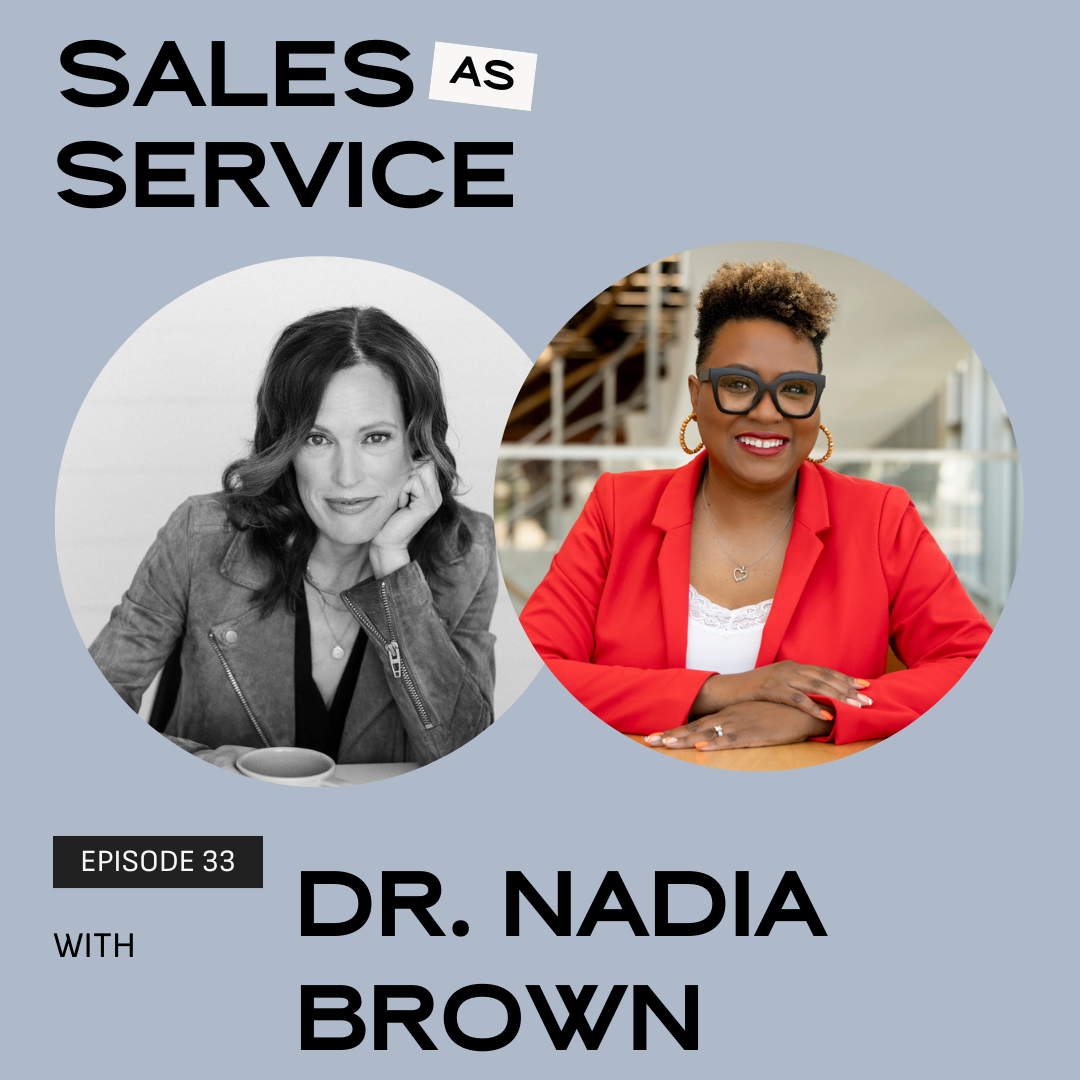
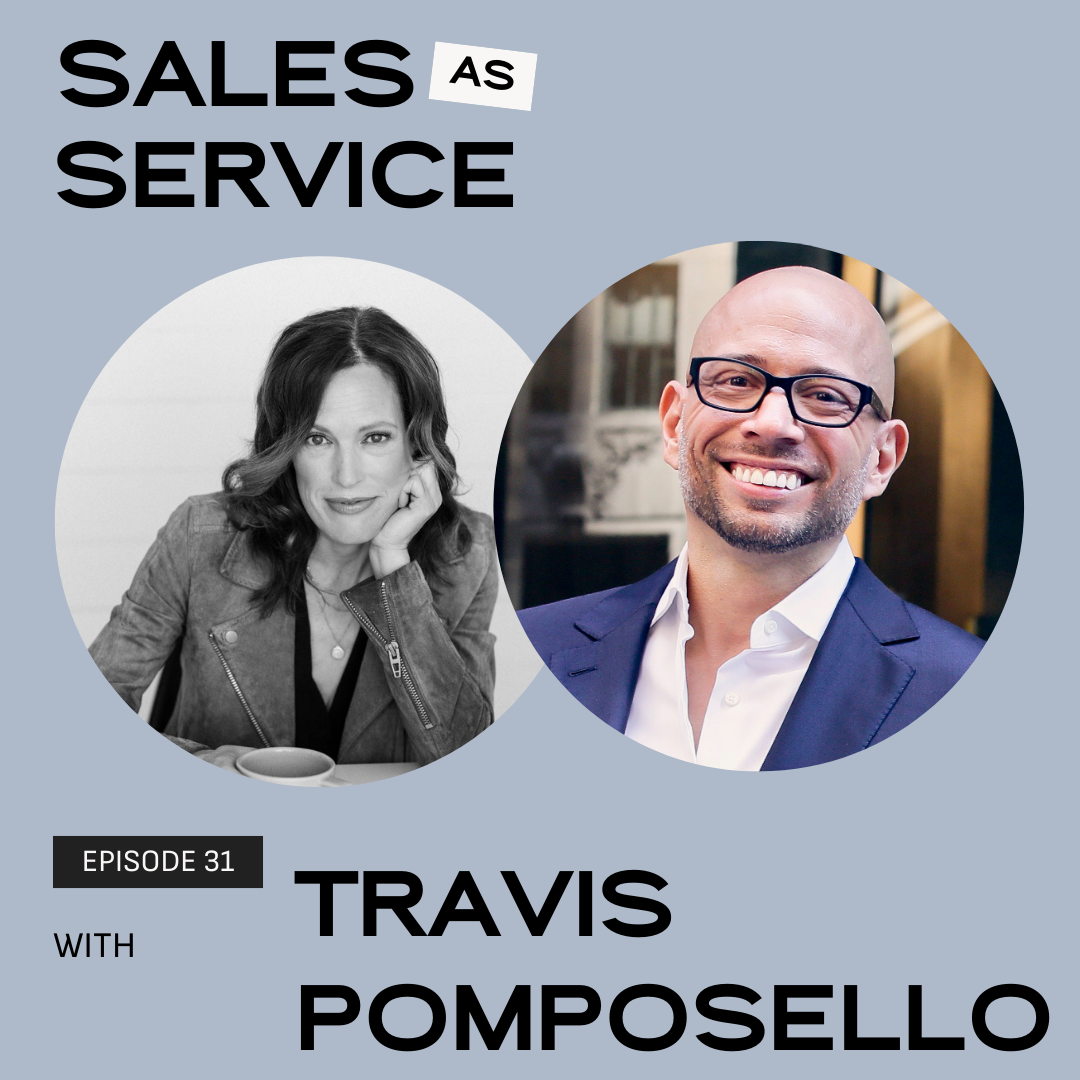
Permission to Sell: Breaking the Hidden Patterns That Block Women from Consistent Revenue with Dr. Nadia Brown
EPISODE: 33
Selling isn’t just a skill—it’s emotional. And for many women founders and service-based business owners, that emotional weight shows up as guilt, second-guessing, and a constant fear of “doing it wrong.”
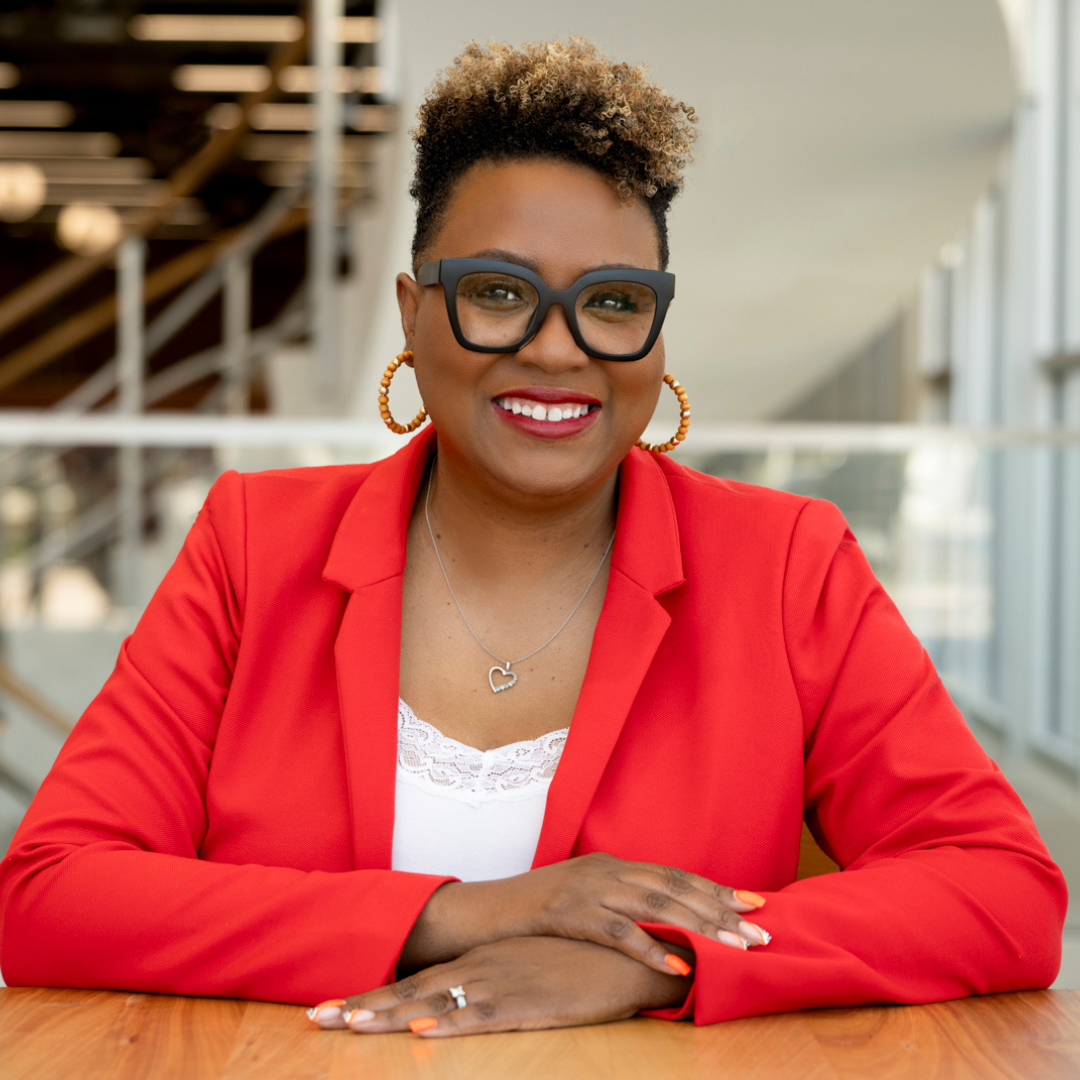
In this episode of Sales as Service, I sit down with Dr. Nadia Brown for a candid conversation about what really holds women back from consistent revenue. Together, we unpack why selling your own work feels so personal, how money stories quietly influence decision-making, and what it looks like to sell with dignity instead of pressure.
This isn’t about scripts or hard closes. It’s about courage, leadership, and building a sales practice that actually feels like you.
In this episode, we explore:
Why selling your own work triggers guilt and self-doubt—even for experienced sellers
How perfectionism and overgiving quietly derail revenue
The reframe from “closing” to making a clear invitation
Why rejection feels personal—and how to recover without spiraling
How courage, not confidence, becomes the real growth lever in sales
LISTEN TO THE EPISODE HERE 👇🏻
-
Speaker: [00:00:00] I can't control when a client or prospect says yes, I can only control how I show up when I show up and have the courage to do all the things that we have to do to get them across the finish line.
Speaker 2: Welcome to Sales Is Service. The podcast designed to help you change your mind about sales. Literally, I'm gonna help you change the way you think about selling.
I'm Tam Smith, your host Sales Bessie, and Pitch partner next door. You're tired of bros with biceps telling you how to crush a million dollars in your sleep or battling imposter syndrome on your own. You've come to the right place. All you need to do is listen, then take action. No gym membership
Speaker: required.
Let's get started.
Speaker 2: Hey there and welcome back to Sales of Service. I'm your host, Tam Smith, sales growth strategist and founder of Studio 3 49 Sales Growth Marketing. Now, I've spent most of my career in some version of sales and sales leadership, but that was selling for other people's businesses. [00:01:00] And for a long time I thought I had a pretty good handle on sales, but I don't think I fully understood how my own insecurities were showing up in the sales process until I started my own business and I had to sell my work.
My pricing, my value. Yes. I think every salesperson probably wrestles with that to some degree. But over the last year, year and a half or so, since I pivoted my business to focus specifically on sales and business development, I've seen how unique and heavy this can feel for women, especially women who care deeply about their work and about doing right by their clients.
The guilt, the perfectionism, the overgiving, the second guessing after every proposal or follow up, or the hesitation to follow up at all. If any of that feels familiar, you're not alone. Before I introduce today's guest, I wanna pause for just a moment and make this a bit more personal for you. If you're somewhere you can safely do this, grab a notebook and write down a few words that describe how selling feels for you right now.
Don't overthink it. Just a few honest words. [00:02:00] Maybe it's draining. Maybe it's exciting but scary. Maybe it's necessary, but uncomfortable and maybe it's awful. I hate the whole process and I avoid it at all costs. Hold onto those words. We're gonna come back to those because today's episode isn't just about sales tactics.
It's about dismantling the guilt, perfectionism and overgiving that keep women from consistent revenue and what it looks like to sell with empathy. Authority and self-trust. My guest is Dr. Nadia Brown. Dr. Nadia, also known as the Sales Culture Architect, is the founder of the Doyne Agency, a sales firm that helps CEOs and sales leaders build teams that actually work.
She brings a deep expertise in sales, psychology, and leadership, along with a genuine heart for helping high achieving women navigate the fears, guilt and burnout that can show up around money and selling. She's also the author of Sell Like A Lady, how to Master Sales with Dignity. Class and Grace. This is the book I wish I had written, and it's the lens we're bringing into this conversation today.
Let's get into it. Nadia, I'm so glad you're here [00:03:00] to kick us off, for those who are meeting you for the first time, tell us in your words, who do you help and how do you serve?
Speaker: Oh my gosh. First of all, thank you. Thank you so much for having me and for spearheading this conversation because I remember the day you were like.
I think we need to do something different. And I was like, I'm all for it, so let's do it. Well, as Tam said, I'm Dr. Nadia and I lead a sales agency and we work with a couple different groups. One is women founders. 'cause as Tam mentioned, I do have a huge heart for women and some of the challenges that we face I that I feel are unique to us when we're leading businesses.
Then I also work with. Teams, those who are building sales teams, those who have sales teams to help improve performance, but also to strengthen sales culture, which I also feel is a conversation we don't talk about enough. So
Speaker 2: yeah,
Speaker: that's what I get to do in the world and it's so much fun.
Speaker 2: Take us back to the moment you realized that you needed to write, sell like a lady.
Like what gap were you seeing in the way women were being taught to sell?
Speaker: If I'm a hundred percent honest, I don't know that I saw at first. I had a colleague, we were [00:04:00] at a mastermind at her house. Several years ago, and I was just talking about how I was beginning to see the parallels between the challenges I saw women leaders in corporate face, particularly those who worked in male dominant fields, which I'd been in engineering and finance and all that.
Right? I was beginning to see the parallels in how. We would shrink ourselves in those spaces. The guilt, the performance, the perfectionism, the not speaking up, the putting our head down, working harder. And then there were some similar parallels in how we were showing up in sales. Mm-hmm. And I was having this conversation and just kind of tossing it out there.
And I wasn't really sure where I was gonna go with it. And because my first book is leading like a lady, my colleague, she was just like Nadia. And it was almost like one of those dumb moments, right? She was like, duh, why wouldn't you do sell like a lady? And I was sitting there like, oh, okay. And [00:05:00] honestly, though, I didn't know that I wanted to write it, it took me a lot longer to write this book than it did the first one.
I felt a lot more exposed. We were talking before we hit record today, and yeah, there were just those moments that I felt very vulnerable in writing this book, and I wasn't sure I wanted to put it out there, so I knew I wanted to have the conversation, but I wasn't a hundred percent sure how it would be received.
And so like you mentioned, like we all are, even though we sometimes are seen as the experts
Speaker 2: mm-hmm.
Speaker: We all kind of have our own stuff that we're working through and writing this book was one of those, those things like, it was, it was very interesting to see the stark contrast from the first book I wrote to the second.
But I'm glad I, I wrote it like I've received so much feedback and people messaging me or sending me screenshots, you know, pictures of things that they saw in the book, and I'm like, oh my God. I like, I feel like you're talking directly to my heart. So I'm [00:06:00] glad I worked through my own stuff. But it was definitely, it wasn't as easy as I thought it was gonna be.
Speaker 2: I want to call attention specifically to the title, 'cause you were very deliberate in the way you named the book and the words Dignity Class and Grace and I, I, you mentioned in the book that, you know, people had like a very, very strong opinions about the title. You know, they either, you know, and it was funny, I was one of the, before I actually read the book, it was a call out to me because I had that reaction of, I didn't know how I felt about the word.
Lady, because I didn't think you could, you know, sales leadership lady, it was an either or, you can't have. Both. It was interesting holding the mirror 'cause of my reaction to that was very like, Ugh, before I read the book and then when I read it, it was a call of my still struggle that we've been taught.
It's either or. So I just wanted you to just talk a little bit about that.
Speaker: Absolutely. Now I'm glad you brought that up because Yes, I remember again. Leading, like a lady kind of set it off. I don't know, maybe I was younger and I just felt [00:07:00] more rebellious. I don't know. But it, but it was, even in that book, I talk about why the word lady?
Because often even in leadership, you see the same, it's the same challenge. So then we come to sell like a lady. Mm-hmm. And when we think of sales, we hardly any of us immediately think of a woman. When you think of sales, right? Mm-hmm. It's also very repulsive in a lot of ways, the word sales and thinking about like, when I shifted my business to focus on sales, I was concerned about calling it a sales agency, even though that's what we were doing.
Because I'm like, I don't want people to immediately know mm-hmm. That I'm in sales. And then, you know, that have that repulsive reaction of like, Ew, like I don't wanna talk to her. She's gonna try to sell me something. Oh my gosh. Yeah. So all the things, but yeah, a big part of it was shifting. The view, I really wanted this to shift how we viewed sales, especially as women, because again, lady definitely has it.
It was very triggering for a lot of people. You are not alone. You're just one of the few people that said it to [00:08:00] my face like, girl, what was this? And. It doesn't have to be either or. I also feel like our definition of how we've been taught to view being a lady as something dainty or weak is inaccurate.
And you know, I talk about the definitions, like really helping us redefine it. But then when you think about, so there's the lady part, and then you think about sales, which is again, a lot of us is almost became a necessary evil. Like for me, I did it because I'm like, I wanna have this business, I wanna have an impact.
I need to figure out how to sell stuff. Right? Yeah. But how often do we look at sales through the lens of dignity? Is this that a dignified profession or thing to do? Like we look at all these different ways to talk about sales without calling it sales class. It'd be classy, but also gracious. That was, you know, when I really finally leaned into it and then through the process of writing it, I was like, oh yeah, but I had to work through my own stuff too, right?
Mm-hmm. So. I wanted to [00:09:00] start the conversation around really shifting it because how I see a lot of women show up in sales is very different to what I thought we had to show up as.
Speaker 2: Mm-hmm.
Speaker: When we. Tend to lean into how we would naturally connect with a, a potential buyer or prospect. It's not the way that we sometimes are even taught to show up or ways we've experienced.
And I'm like, that's not, that's not the way we're showing up even naturally. And I want us to celebrate that and embrace it because you can be successful in sales without being a sleazebag. Like you just don't have to be sleazy.
Speaker 2: Well, let's like get into it. You know, when you walk into a room of high achieving women and, and ask about sales, what are the most common emotions that come up?
Speaker: Oh my gosh. Repulsion is probably a big one. Like people feel like I don't want to have to become someone I'm not.
Speaker 2: Yeah.
Speaker: I don't wanna act out of integrity. I don't wanna, not, a common one I hear is I don't [00:10:00] wanna have to convince people to work with me. I don't wanna be the used car salesman. I don't wanna do the bait and switch.
I don't wanna be slimy, sleazy, all those things. And like you don't have to be any of that. And then a lot of times people are like. Say more words Like what? What do you mean? Because again, a lot of us have been taught that this is the way to be successful. A lot of times this is what we also see modeled before us.
Mm-hmm. And you're like, well, if it's working for them, surely this is the way I have to do it.
Speaker 2: That was what was modeled like very early in my sales career. I mean, that was what was modeled for me. You caught the book, you know, uh, that for men. This is high level generalization, you know, it typically kind of falls into that transaction, you know, category, you know, and the, and the goal, you know, it's to, the only goal is to, you know, get the close and, and get, get the sale.
And, you know, women, we are, you know, as a whole, you know, large umbrella are, you know, more relationally, relationally driven around connection [00:11:00] and, and service. And you know, that was kind of how, how I naturally wired and approached a sales conversation and very early in my career. Mm-hmm. I thought I was a bad, I really legitimately thought I was a bad salesperson because I was not approaching it from that perspective of it being a transaction and what I could get.
You know, I was naturally wired to, you know, want to serve and solve and it you really. Took some, you know, mindset work to realize, oh, you know, I can take those gifts that, you know, come naturally. And that's to my advantage. Like I believe women are naturally wired to be tremendously effective, successful salespeople because of those natural gifts.
Speaker: Totally agree.
Speaker 2: If someone you realizes, okay, wow, you know, my money story is running the show and my sales process, what's the first step you invite her to take?
Speaker: I invite her to take a deeper look. Mm-hmm. What's really behind that? Mm-hmm. Because a lot of times it's something that someone else. Told us that we bought.
Speaker 2: Mm-hmm.
Speaker: You know, like or, or it's an experience [00:12:00] that we had that we internalized, or sometimes it's a combination of the two. So a lot of times when I work with women, and I will say weeks, I have my moments too, where we feel like. We're not good with money. So now you're in sales, which is all about money, right?
And it's just this weird like, oh my gosh. It also, especially so, so sometimes we can do really well when selling for someone else, our on behalf of someone else. That sometimes doesn't impact us as deeply as when we start selling our own work, especially when we are service providers. So that even starts to feel deeply personal.
So I've seen people who were. Who did sales in corporate for years, and they were fine. And then when they stepped out and started doing sales for themselves, right, it was like, whoa, what is this? Because there's also that part of us that we often downplay our gifts. We don't toot our own horn. We're taught to just be grateful and in sales.
That can work against us, right? Mm-hmm. And so there [00:13:00] is that balance of being able to communicate value, to be able to help people understand how this solution will help address their problems, like you said, to build the relationships, to figure out how to manage the feelings that come up for us. So we've been taught.
We shouldn't have feelings. Well, sorry, we have 'em right? Sorry, not sorry. Then we just are feeling people. So one of the tools that I also created is the courage diary. And in that we, there's a section after you have a sales conversation where you're doing your kind of your own personal debrief. There's a whole section around how, what emotions came up for you.
Because there it is a very transformative thing to start doing sales, especially as a service provider. We're building that type of business. So yeah, I just really invite her to start looking at the stories and what's true and what's not true, and then to move forward to really also what's the evidence of the truth and how she [00:14:00] can really lean more into that, but also then helping her to create habits.
Or create a structure to support in that process. And so for example, sales, part of sales is rejection. It just is what it is, right? And I hate it when people say it's just business. It's not personal because it often feels very personal. Very personal. And so. It's okay that it feels personal, but what I don't want her to do, and it's something that I know I did, especially in the beginning, is I would have a sales conversation.
If I got rejected, I was out like I couldn't function for a very long time. Well, that's not gonna help you build your business, right? Like it's like Nadia, get it together girl. So how do you address the rejection that you may feel, acknowledge and accept that it's a very real feeling. And have the support.
So with that. A [00:15:00] dance, a playlist. So it could be a playlist of let's dance it out. We do a lot of dance parties in my house, so sometimes we're feeling blue, let's dance it out. Do you have business relationships, accountability partners, business besties that you can call or reach out to, or maybe you're in a mastermind group and you can share that.
So we can acknowledge it, address it, feel it, but have it not take us out and move forward. And I think that those are some of the things because we also feel guilty. For feeling bad, like I shouldn't. So then we should all over ourselves because I had this conversation, they didn't say yes yet. 'cause we know.
We know that they can always come back and say yes later. But now I feel bad about it for whatever reason. But I shouldn't feel bad about it because they said this business is not personal. So then it's just this vicious cycle. So to have those pattern disrupts and to also encourage women that it's okay.
It's okay that you have feelings about it. This is what I do and there are days when I feel it more than others and it's okay. I just look at [00:16:00] how do I build in the supports to help me move through it so that I don't take it on as personally and where it like Nadia, somehow failed versus this was just a conversation with a prospect who didn't say yes yet and then, you know, because you show up differently when you have.
Those different perspectives.
Speaker 2: I love that reframe. Need a better system for getting clients consistently. Grab my VIP Power Hour, a free daily rhythm designed to help you stay visible, nurture your network, and spark new conversations in just 60 minutes a day. It's not about cold pitching or chasing algorithms.
It's about showing up with intention. Do it for 30 days and I promise you'll start to see more confidence, more conversations, and yes, more revenue. Download it free at Studio three 40 nine.com/freebies. Now back to the episode.
Speaker: Can you share a little bit about your
Speaker 2: own transformation? Because you've been really transparent about, you know, you did not come outta the, outta the gate, like enjoying sales in the sales process.
No, [00:17:00] it was definitely, you know, to get to the, I mean, and now you know, you have a, a business that you know, you. Have made the focus of your business? Like what was the process for you making your own transformation?
Speaker: Oh my gosh. I always tell people I never thought I would ever, if someone had told me 20 years ago, Nadia, one day you're gonna lead a sales agency, I would've put BET a lot of money that they were lying to me because, no, that was just not my jam.
But yeah, so I got into, so I've, when I first started business and I left corporate, I was working with women leaders and doing coaching and that sort of thing, leadership training, mostly training, speaking. All the things I was having a ball. But I quickly realized after about two years or so, that Nadia, this whole inconsistency in revenue is your fault.
Like you need to learn how to address this because you need to really tighten up your sales skills. And it was not a pretty transition. And so in that, so when I say that I really needed to have that conversation. It was that the more money was going [00:18:00] out than coming in. I'm trying to figure out like, how do I pay the bills?
Like it was a, it was bad. It was one of those really, like, it wasn't, I know sometimes we retell our stories. We make it seem like, oh, I just had this day when I was like, no, no, no. It was a hot mess. Like on the, this sofa sobbing. Full on ugly crowd with my husband. Like, oh my gosh, what is happening? My world is shattering, kind of thing.
And so then I was just like, okay, well what are we gonna do? Right? Like you've been out here telling women to shatter their inner glass ceiling and doing all these things like, do you believe, do you really believe what you've been teaching all these years? Right? And I was like, oh snap. Like that sucks.
Like that's one of those gut punches. And I was like, well, do I. And so in that, I actually did a couple things. One, I got a job, I took a temporary role because I was like, oh my gosh, I need a minute to just kind of process. Mm-hmm. And then I, I made a commitment. Okay. Then we have to figure this out. This is figureoutable.
I have to learn how to sell and I gotta figure out a way to sell that feels good to me. And so that led me on a journey. And in that I had a, a [00:19:00] consulting client that I was working with two men that ran this company. It was funny 'cause you were talking about men and women earlier. And they were like, okay, we are building this amazing company and we would love for you to come in and help us with their leadership consulting, blah, blah, blah, blah, blah.
So that's my, that was my jam. Gotcha. And as in they were like, oh, and also we can tell you don't like sales, and so we're going to help you. And I was like, oh, okay. And so I went into this role, especially that part, just as a student, I didn't understand any of the things around sales, and I was just like, okay, I am doing the things.
I've watched the video. Have, call a person, take the notes, do all the things, and I eventually realized, wait a second. I'm having sales conversations like I'm closing sales. And I tell it that way because I really genuinely didn't realize the pro. I don't know what he did and how like the way he did it was perfect because if I had known I was gonna end there, I wouldn't have done it.
And not only that, one day, one of them called me. So [00:20:00] I quickly rose to being a salesperson and a top salesperson, and one of the founders called me one day and he goes, Nadia, do have you noticed that you don't sell the way we sell? Like your approach to sales is very different, yet you sell just as much.
I was like, huh, you're right. I don't. So that caused me to really look at it. And in that, you know, in addition to sales, I eventually was tapped to coach others, train others. And I share that because after I left that team and I was like, okay, I'm good. We're we're solid. Thank you for the lessons. There were, there were women on that team that I'd had the opportunity to work with who reached out to me, and they were like, we're not really sure what it is you're planning to do now that you're not here anymore.
But we strongly encourage you that it should be something around sales. And, and I was like, wait, what? I'm not a salesperson. That's not what I do. I'm a leadership consultant. What are you talking about? And so it took me a whole year. I kid you not a whole year [00:21:00] after that of just kind of going back and forth, round and around of do I don't, I should, I should not.
And just having people that were lovingly but very strongly encouraging me to not stop.
Speaker 2: Mm-hmm.
Speaker: And that, so that was my journey. See, I hated sales. I hated everything about sales. I did not want to do it. I thought it was God awful. Why would anyone wanna do this? And yet, here I am.
Speaker 2: I wanna go back to that point about when they pointed out that you don't, you don't sell the way they did.
What, what's, what do you, how do you describe your differentiator?
Speaker: I think one of my differentiators was I had a lot more grace. I had a lot more patience. And again, it was very relationship focused, so I didn't talk as much as they did. They were definitely the talkers. I listened and I would ask, so women would get on sales conversations with me and sometimes they were like, I don't even know why I'm telling you this.
And I was like, I don't either, but here we are. Right. Let's figure it out together, or. We would laugh or cry, like women have [00:22:00] cried. And I'm like, what is happening? Right? And so it was just a very different experience, but often it felt like I was just having a conversation with a friend. And my, there were times my husband, if he was home and he would hear me in the office and I would come out and I'm like, oh my gosh, I just closed the sale.
You know, we got somebody enrolled and whatever. And he would be like, you were on a sales call. Like, I thought you were talking to one of your friends. And so those were some of the differences. Like when I noticed like if the two, if two of us or the three of us were on calls together. 'cause sometimes we did do calls together, I would, I started to pay closer attention.
To how they approach people and then what made me different. But then I, it was nice. It was a gift, honestly, that he gave me, because it really made me realize that my difference wasn't a bad thing. My approach was just as effective and it was definitely different.
Speaker 2: And I love in the book, you know, rather than like a close it, it's an invitation.
And, and I, I love that, that reframe. And I also, you know, love the [00:23:00] reminder to make the invitation. We women, we often forget to make the invitation.
Speaker: We do, but then when we make the invitation, we talk ourselves out of it. So, so, yes. One of the things that in there I'm like, okay. Let's extend the invitation to work with us, because again, you know, we feel like if I just show them all these things at how amazing I am, they'll just naturally say, how can I work with you?
And some people do that, but they don't always do that. Mm-hmm. And so as we're leading the sales conversation, it's up to us to extend that invitation if we think it's the right. Decision because sometimes they're not a good fit. But if we feel like it's in alignment, then extend that invitation. And the other part I added to that is then we stop talking.
So you extend the invitation and then stop talking to allow them time to process. And this is honestly is probably the hardest part to stop the stop talking part, but, and so I added that because. I'd been there. You [00:24:00] extend the invitation if you remembered. 'cause there were times I'd had sales conversations.
I never asked them to work with me. And then I would extend the invitation, state the investment, and then I would pause for like half a second. And if they didn't jump right in with the yes, you know, I would then start talking myself out of it and down discounting and, well, what about this? And so I had to learn and retrain myself.
To stop talking, to remember to extend the imitation and then to stop talking and deal with the uncomfortable silence. That also that sometimes. Ensues. But what I learned through that is a lot of times if there is a silence, it's people trying to figure it out versus whatever story I was telling myself about that person, which was often not right.
It's not true. I have a very active imagination.
Speaker 2: My, I guess my big kind of takeaways as far as just, you know, practical implementation, you [00:25:00] know, when I read the book was, you know, it first comes from that, you know, making the mindset shift, you know, around sales and, you know, those conversations. Again, it's really, you know, we're both advocating you a relationship, you know, values led, you know, kind of consultative.
Selling process. And then it's really, you know, if I'm kind of, of the attitude, I mean, my whole podcast is name, sales is service, you know, that I'm of attitude. If you have a, you know, product service that can solve a problem or help someone achieve a goal, then why wouldn't, why wouldn't you share it?
Speaker: Mm-hmm.
Speaker 2: So kind of re reframing what you know, a sales conversation is, and then having. You know, the courage, you know, you talk about kind of insane courage in the book, you know, just to take, you know, leadership and to take, you know, aligned action and, and practice. And we were talking a little bit before recording.
I think there's a perception, you know, when you haven't had a sales process or a sales practice in your business that you're just supposed to be good at it. And then if you're not like good at it straight out of the gate, then it's, [00:26:00] you know, wr wrong or broke. I mean, even for us that are in the, in the profession of sales, you know, it's a constant, I mean, every day is, you know, it's more reps, more practice and kind of iterating the process.
I, I loved your a hundred nos. Challenge and I've actually decided I'm, I am my gonna, my 20 points. I'm doing that for key one. I'm going from a hundred nos. Yay. So, uh, share a little bit about that just as far as like, you know, your systems in process to get those reps in and get more confident.
Speaker: Absolutely.
I think one of the things, so what Tam is just referencing is in the book I talk about a hundred nos. It's also. The basis of the courage diary that I created to um, 'cause in the courage diary, there's a hundred entries that you can make as you're tracking your conversations. But the goal is, basically the goal is to get 100 nos.
So to have, you'll have to have more than a hundred conversations to get your a hundred nos. And it's really part of. Starting the reframe around no [00:27:00] women for some reason we don't like, no, we don't like hearing it. And many of us don't like saying it either. So whatever. Our relationship with no is a very complicated one.
Similar to money. Right. And so when you start to shift it and you go into a conversation, well, there's two things. One. Shifting your relationship with no. And now my goal is to get a no. So it shouldn't and often doesn't feel as scary as when your goal is to get the yes. And you're just stressed out going into the conversation.
So that's one, but two. How, what are you, what do you need to do in order to have a hundred plus conversations with prospects in the next 30, 45 days? Like you? It is a condensed period of time because then you also have that excitement. If I have Tam. Tomorrow at nine and she says, no, but Emily's at 10.
Okay, well Tam said no, but Emily might say yes. So there's also that psychological piece of it. I have more opportunities to get to the yes [00:28:00] versus I talk to Tam tomorrow at nine and I don't have anyone else on my calendar for the foreseeable future, and I have business expenses. You know? Then there's that extra pressure that you bring on yourself.
Going into that conversation. So it's twofold. One is reframing no, but also what are the things that we often need to do to set ourselves up for maybe I just need to have more conversations and there's so much rich data that then comes out of that you get. You know what your closing ratio is. You start to really hear where you're not clear in how you talk about the work that you do, but I've never had anyone ever come back to me and say they got their a hundred nos.
So we'll see how that goes for you, Tam. Everyone always messages me and they're just so excited about the yeses they received and a new clients they get to work with and we're all happy.
Speaker 2: Here's a quick scenario. So a woman sends a proposal and hears, we're not ready right now. And it never follows up again.
If you were [00:29:00] sitting with her, how would you coach her?
Speaker: Ooh, this is a hard one. This is, it's hard because of, oh my gosh. Proposals are definitely challenging. So one, I would tell her to breathe and then I would coach her through. When you send a, when you have a proposal, process is part of your sales process.
'cause we have one too. Here's what I recommend, and I know our prospects don't always work to play well with our rules, but one is. In the sales process. So as you're building that relationship, because oftentimes if we have a proposal in our process, we often have multiple conversations. Start explaining your process.
This is how we do business here at Studio 3 49. We do this, this is our step. Then we do this. Then you start telling, you really come into that conversation as the leader. So starting to set those expectations from the beginning. Once you get to that place where we're like at that proposal stage of the process.[00:30:00]
Don't email the proposal. Explain to them, okay. Based on the information you've shared and we've discussed, I'm gonna pull together a proposal. You can actually start to also set some expectations around what they can expect, even if they're not firm numbers. Typically it'll, it's a range like this and that, but we'll talk more.
On our next call, which is your proposal review, so know how much time you need to to build that proposal and then schedule your proposal review and walk them through it together. Get on a Zoom or whatever, share your screen, walk them through it, have them ask questions because you get the insight. You can address any concerns or questions right then versus what we often do is email the proposal and then pray to the god's.
Above that, they say yes and, and then if they say they're not ready, we often never get a chance to figure out what was it. [00:31:00] That was the not readiness. Um, whereas if we walk them through it, even if they say they're not ready, we often walk away with a lot more insight around the why. Then we can address it.
And then for follow up, I want us to really start thinking about how can you systematize follow up? Is there any way or those pieces that you can automate? Because I don't know, woman is not busy and it's easy to forget to follow up if it's not on your calendar. If you haven't scheduled a follow up appointment or you haven't been able.
To automate it. And if you're like me, I'm to clean a sticky note. I love pretty colorful, sticky notes, but that is not a system that is sustainable for any length of time. So how can you really systematize that and leverage automation? But a lot of times even shifting how. We show up in our sales process is very helpful.
Whether we get the yes or no.
Speaker 2: If a listener only remembers one idea from this conversation, [00:32:00] what do you hope it is?
Speaker: Oh my gosh. I hope that she's courageous.
Speaker 2: Full stop.
Speaker: Full stop. Be courageous. It's what is my email? Sign off because, and here's why. Really quickly, I often found that when I work with sales coaches, when I was starting and they were coaching me through all the things, the one thing that was very disheartening for me personally was.
I showed up to the sales call. I did the things that they told me to do to the best of my ability, and if I didn't get the credit card, I felt like I had to relive that disappointment and then be chastised, if you will, on top of it. No one ever acknowledged the fact that I had the courage to show up to that call in the first place, trying to figure all these things out, which is why I have the courage diary because you celebrate the fact that you had the courage to show up in the first place, and that's all you really can control.
I can't control when a client or prospect says Yes, I can only control how I show [00:33:00] up. When I show up and having the courage to do all the things that we have to do to get them across the finish line. And so, yes, I would want her to just continue to be courageous.
Speaker 2: Let's jump into our fast five
Speaker: oh boy. Or
Speaker 2: I can't live without it.
Software or app.
Speaker: I, I was looking at that. So I'm a techie girl and so I have a lot of different apps that I like. I'm probably gonna stay. Slack.
Speaker 2: You could really run your business off of Slack if you needed to.
Speaker: It's bad. It's bad via my Slack notifications. I probably shouldn't say slack. I feel guilty for doing that.
Speaker 2: Best advice you've ever received about sales and business development
Speaker: fail faster. It pissed me off, but it was so true.
Speaker 2: Your morning routine must have
Speaker: quiet time and coffee.
Speaker 2: Your walk-on song, the one song that always pumps you up.
Speaker: This girl is on fire by Alicia Keys,
Speaker 2: and if you only had one hour each day for business growth, how would you spend it?
Speaker: I would call my allies and deepen those relationships.
Speaker 2: Thank you so much for being here for this conversation. Where can [00:34:00] folks find and connect with you online?
Speaker: You can learn more about us@thedoyenagency.com.
Speaker 2: Before we wrap, I wanna come back to the words you wrote down at the beginning of this episode, the words you chose to describe how selling feels for you.
Just take a moment and notice, do any of those words feel different now? Would you add a new word or swap one out after this conversation? There's no right answer here. It's not a test, it's just simply data. A quick check in on how your relationship with selling might be shifted. My hope is that even if selling still feels a bit stretchy, it also feels a little more possible and a little more yours.
And that brings me to this episode's Sales as Service Challenge. Over the next week, I want you to practice one courageous sales action without trying to perfect it. That might look like following up with a lead you've been avoiding or making a clear invitation instead of hinting or simply stating your pricing in your next sales conversation, and then stopping yourself from overexplaining it afterward.
Jot down two things. What emotions come up for you? What actually happened separate from the story you told yourself about it. This isn't about getting the, yes, it's about [00:35:00] building the muscle to show up and do the work consistently, because selling isn't a performance, it's just practice. Encourage counts even when it feels uncomfortable.
And if this conversation sparks something for you, I wanna hear from you. You can find me on LinkedIn or send me an email at Hey tam at studio three 40 nine.com. Share your questions, what you're working through, or what you wanna hear more about in future episodes. And I'll see you right back here next week on Sales of Service.
Speaker: You've just listened to the Sales As Service Podcast, the podcast to help you
Speaker 2: shift your mindset around selling. If you liked what you heard, be sure to hit subscribe and share it with a friend, because we're all about more sales. Awesome and less sales awkward. See you next episode.
MORE OF A READER? 👇🏻
For many women founders, selling doesn’t feel like a business skill—it feels personal.
The moment you stop selling someone else’s product and start selling your work, your pricing, your value, everything changes. What used to feel straightforward suddenly feels loaded. Guilt creeps in. You second-guess your follow-ups. You soften your language. You over-deliver. You under-charge. And you quietly wonder if you’re doing it wrong.
In this episode of Sales as Service, I sat down with Dr. Nadia Brown for a live conversation about the emotional side of selling—and why so many capable, high-achieving women struggle here.
One of the most important reframes we explored is this: selling isn’t a performance. It’s a practice.
Women are often taught—explicitly or implicitly—that wanting more is impolite. That asking directly is pushy. That confidence should be quiet. Those beliefs don’t disappear just because you start a business. They show up in your proposals, your pricing, and your hesitation to lead the sales process.
Dr. Nadia shared how many women associate sales with pressure, manipulation, or becoming someone they’re not. But relational selling—the kind rooted in empathy, listening, and service—is not a weakness. It’s a strength. When practiced with clarity and boundaries, it creates trust instead of tension.
We also talked about rejection. Not the “it’s just business” version—but the reality that rejection often feels deeply personal, especially when you care about your work. The goal isn’t to eliminate that feeling. It’s to build systems and supports that allow you to feel it without letting it take you out.
One powerful tool we discussed is reframing the goal. Instead of chasing the yes, build a practice around showing up. Around making the invitation. Around having more conversations. Courage—not confidence—is what builds momentum.
And that courage shows up in small, practical ways:
Following up instead of disappearing
Naming your price clearly
Allowing silence instead of talking yourself out of the invitation
If selling feels “icky,” that’s data—not a diagnosis. It’s an invitation to examine how you’re showing up, where you’re shrinking, and what needs to change so the process feels more aligned.
You don’t need to become someone else to sell well. You don’t need to get it right every time. You just need to practice showing up with clarity, leadership, and self-trust.
✦ YOUR SALES AS SERVICE CHALLENGE
Practice Courage—Not Perfection
Over the next seven days, choose one courageous sales action and take it without trying to make it perfect.
That might look like:
Following up with a lead you’ve been avoiding
Making a clear invitation instead of hinting
Stating your price and stopping yourself from over-explaining
Afterward, write down two things:
What emotions came up for you?
What actually happened—separate from the story you told yourself about it?
This isn’t about getting the yes.
It’s about building the muscle to show up consistently.
Selling is a practice.
And courage counts.
RESOURCES & LINKS
Learn more about The Doyenne Agency
Join us for the next SAS LIVE Office Hours Event!
Simply sales with the VIP Power Hour - download the FREE guide
Learn how to consistently book 3–5 sales-qualified meetings each week - Book your free strategy call
Get on the list - Become a SAS Email Insider
SUBSCRIBE & REVIEW
If you loved this episode, please take a moment to subscribe and leave a review on Apple Podcasts! Your support helps us reach more creative agencies and service pros who need these insights. Thanks for tuning in to Sales as Service—see you next week!

TAM SMITH
I’m Tam Smith-Sales Growth Strategist and Founder of Studio Three 49. I help female agency owners and service-based founders find, connect with, and convert right-fit clients through scalable, sustainable outbound sales solutions.
No pushy pitches. No bro-marketing. Just simple, structured systems that turn connections into clients.